The Final Countdown
Hi everyone! Wow, this is the LAST week of my study abroad program until everyone leaves to go home or to do solo traveling. This week used to feel so far away when I thought about it in September and October, and even sometimes in November. Even though I felt it creeping, I would push it to the back of my mind, but now it feels like it snuck up on me. This past week was pretty busy with everybody finishing their final research papers, so there is not much that is exciting to report. We have our presentations tomorrow and presentations for the community on Monday. Tuesday is left for packing and Wednesday is when everybody goes their separate ways. That morning my friend and I will be flying north to Santiago and then hopping on a bus to spend a few days in Algarrobo, which is a beach town about two hours west of the city. I’ll be arriving back home on Christmas Eve just in time for all of the festivities!
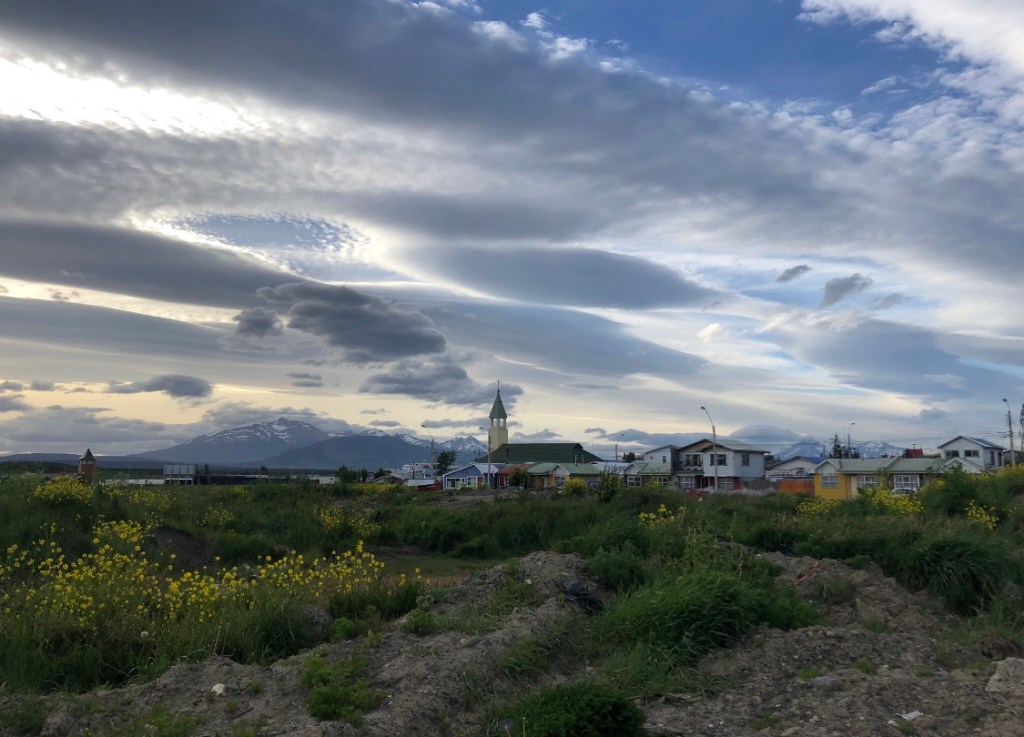
During the last few weeks of writing our papers I’ve also been able explore to Puerto Natales more, and through that I’ve gained so much more of an appreciation for it. Every afternoon I started going on runs around the city as a study break, which allowed me to just focus on myself and my surroundings. I’ll truly miss the things that have become such a regular part of my life here, like street art, the dogs, and the constant view of the Andes. I’m looking forward to being home for the holidays, but it’s going to be a bittersweet feeling leaving such a beautiful place that has taught me so much. There were ups and downs, but that is the true reality with anything you are going to do in life. Things don’t always go as planned, you don’t always get along with everybody, and sometimes you feel a little homesick. And that’s okay. It’s how you choose to reflect on and work through those situations that teach you so much about yourself, and that’s what I have found to be one of the most important parts throughout my time here. Only 23 people can say that they were a part of the inaugural semester in Patagonia for The School for Field Studies, and as one of those 23 people, I feel so incredibly lucky. From being here I’ve learned that I love South America and that it is a place that I will be visiting many more times throughout my life.
I will be posting my post-study abroad video once I return to the United States where I will talk more about my reflections and how I feel from the last few months. However, I can say that even if they may now be for different reasons, studying abroad was one of the best decisions I have made as a college student. I’ll be looking forward to posting my video for you all, and I will also be sure to share photos from my time traveling in Algarrobo! Until next time, Cheers!
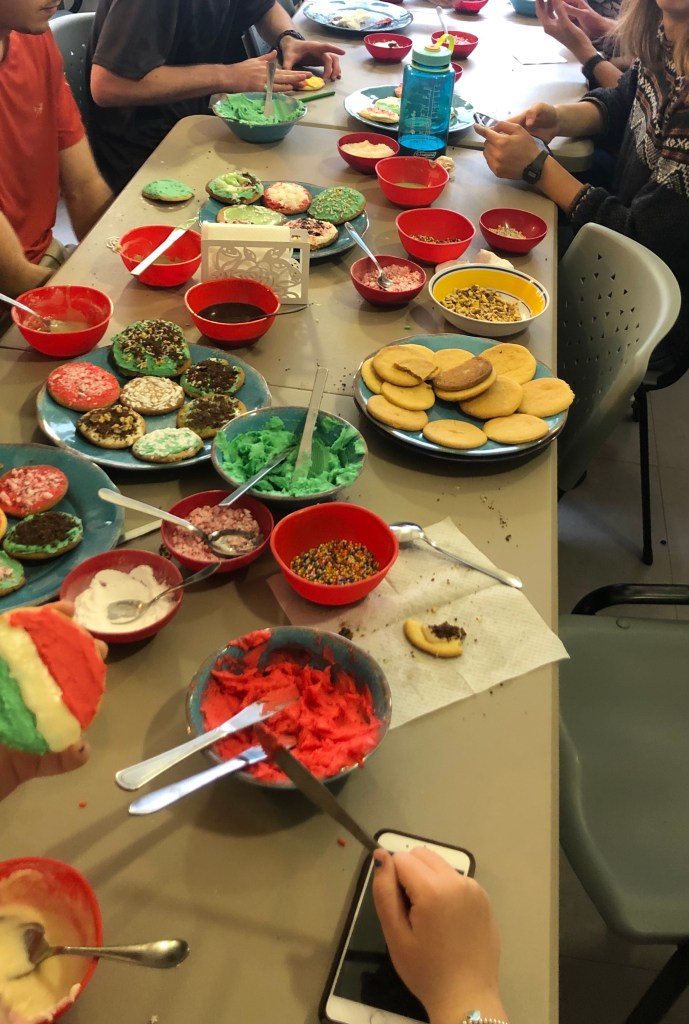
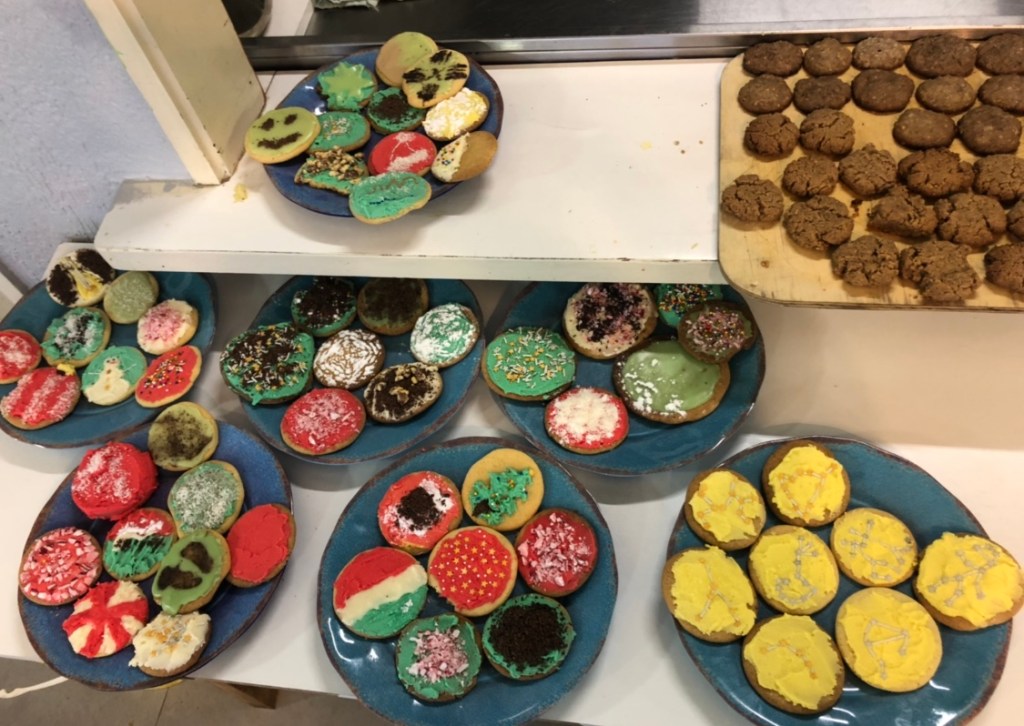
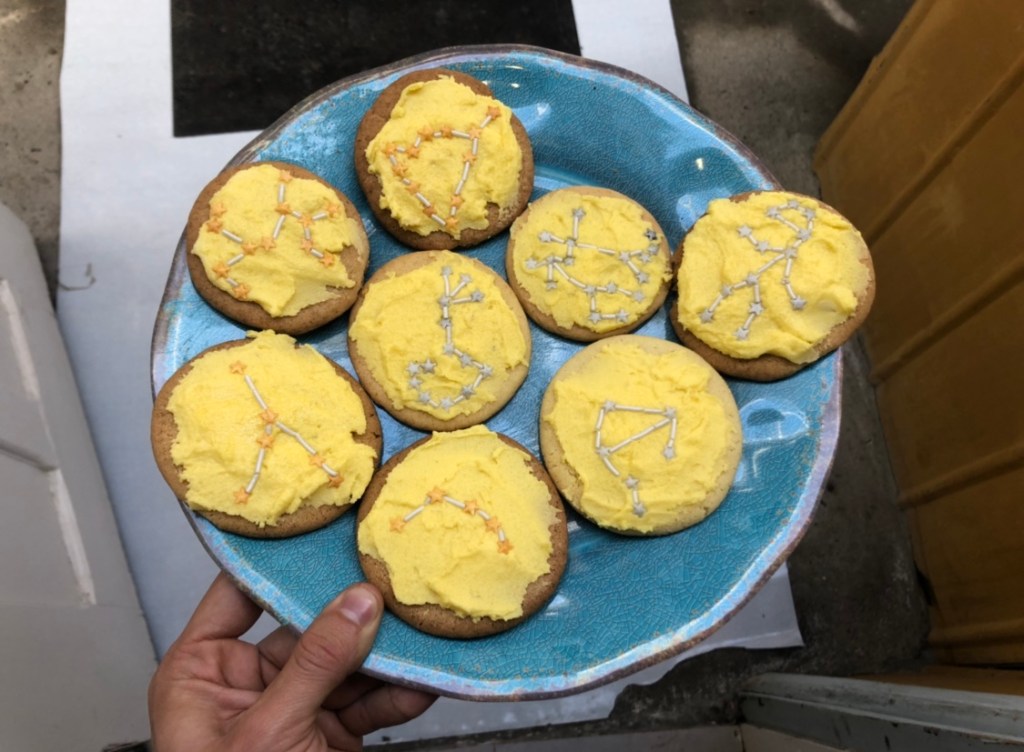
Please enjoy some photos from our Christmas cookie decorating party today 🙂
Never expect science to go as planned.
Hi everyone! I’m finally back from my field research at Patagonia Bagual. The past week has been quite busy with a few unexpected twists and turns that I’ll tell you about. First off, remember when I told you about my work with the peat bog? Well, that project is no more. Why? Well, the day before my partner and I were supposed to take our samples, we hiked up to the site with our gear to check everything out. Once we got there, we had the amazing discovery that the ‘peat bog,’ wasn’t even a peat bog, but instead a large puddle. Distraught (not really), we packed our things and hiked back down to camp and tried to think of new research ideas. I was especially stressed because everybody else seemed to have everything set for their projects, and there we were having to think of something entirely new the DAY BEFORE we were supposed to collect data.
While we talked to our advisor that night, he told us about a rocky outcrop that he was curious about checking out, and how it could be the remains of a glacier in the area. The next day, armed with a few shovels, some plastic bags, and a hammer, we hiked to the site. After getting a closer look, my advisor said that by taking some stratigraphic samples with the shovels, we could analyze the soil and reconstruct the past climate of the area. My partner and I chose 5 sections of the outcrop, vertically measured them, and then scraped along the surface to notice any difference in the soil. We then took samples every place we noticed a difference in soil composition.
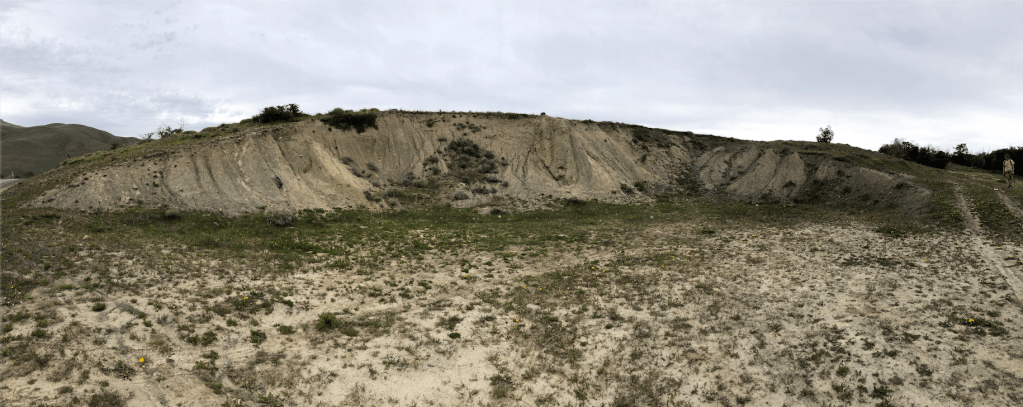
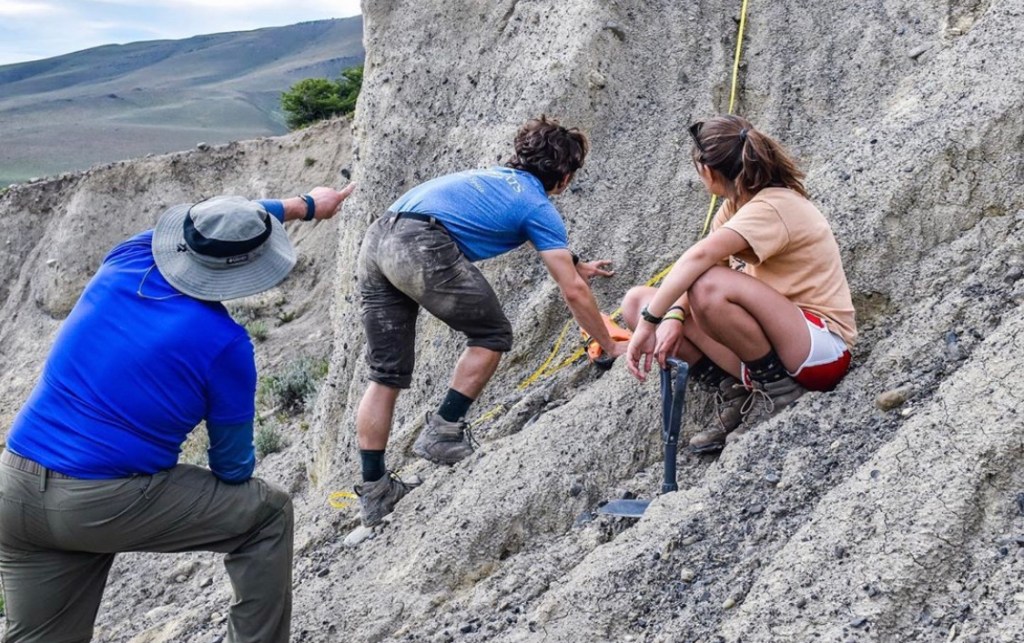
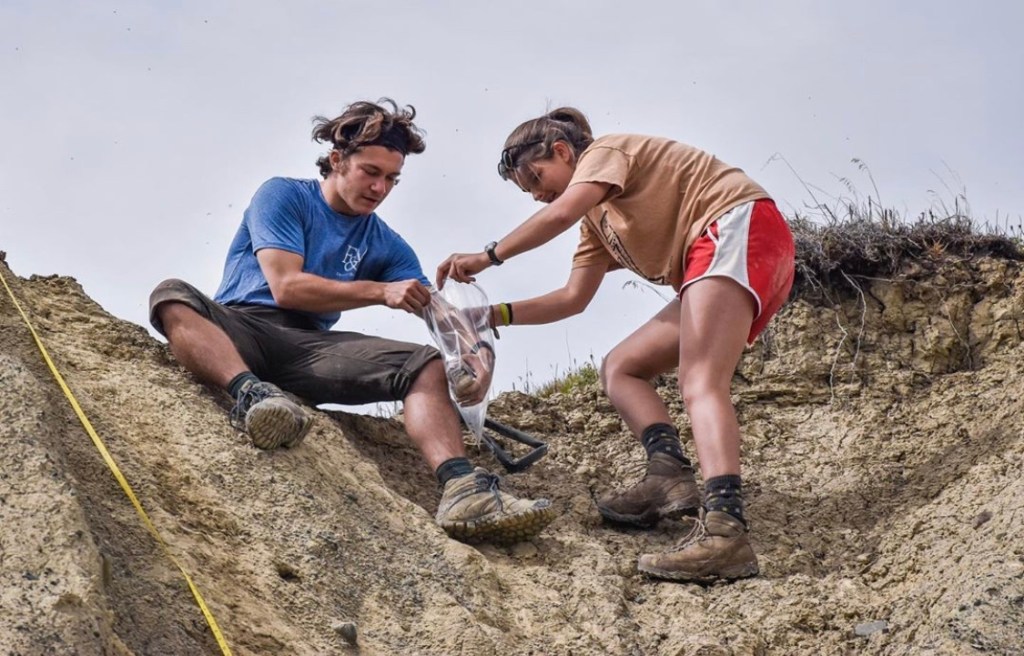
The main thing I’ve learned while out in the field last week was to always expect the unexpected and to make sure I can adapt to a changing environment. I wasn’t planning on my peat bog research to go wrong, but it did, and I can’t help that. I’m disappointed that things didn’t work out with it but I’m excited to see what kind of new knowledge I’ll be able to learn with reconstructing glacial and climatic history with my soil samples! The next few weeks will be full of data analysis and paper writing, so wish me luck on that and I’ll bring you some updates next week 🙂
Finals, Horses, & Bogs!
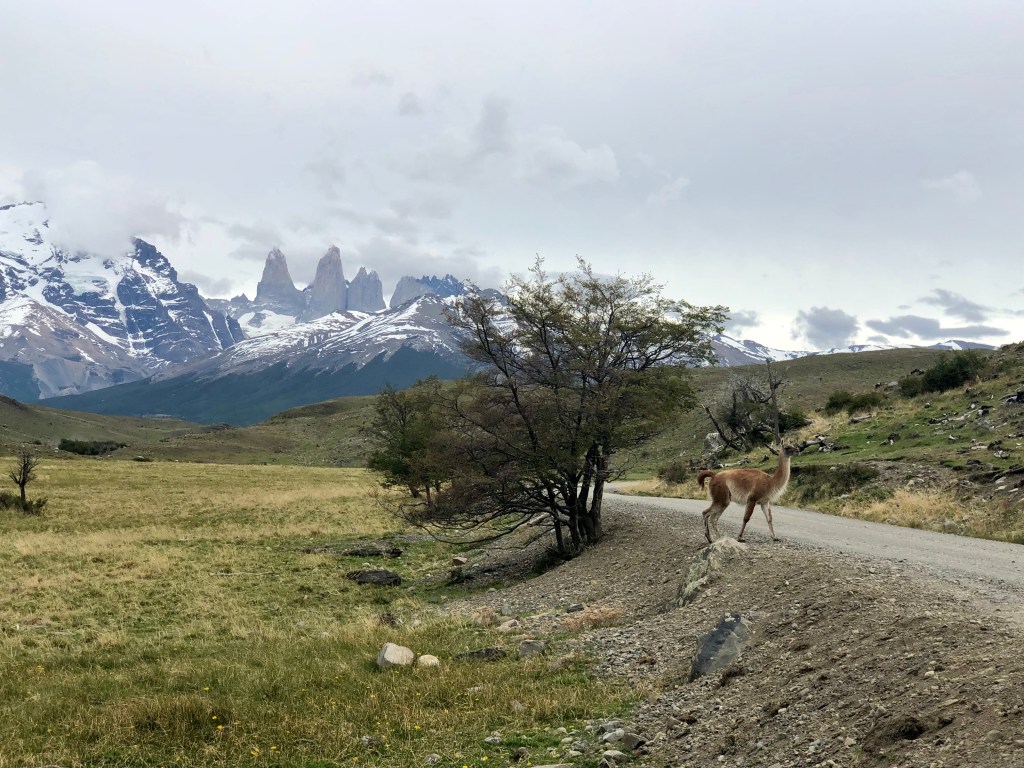
We’ve hit 10 weeks of being abroad! When I reflect on first arriving to Chile, it feels like a lifetime ago and I can’t believe that yesterday marked exactly one month left of my program. I’ve learned so much about Patagonia as more than just a place that backpackers dream about visiting, and I’ve also been able to learn a lot about myself. Even if I return to Patagonia in the future, the experiences and memories I’ve made here so far will make it impossible for me to compare to anything else.
I’ll talk more about this in a few weeks when my program is coming to a close 🙂
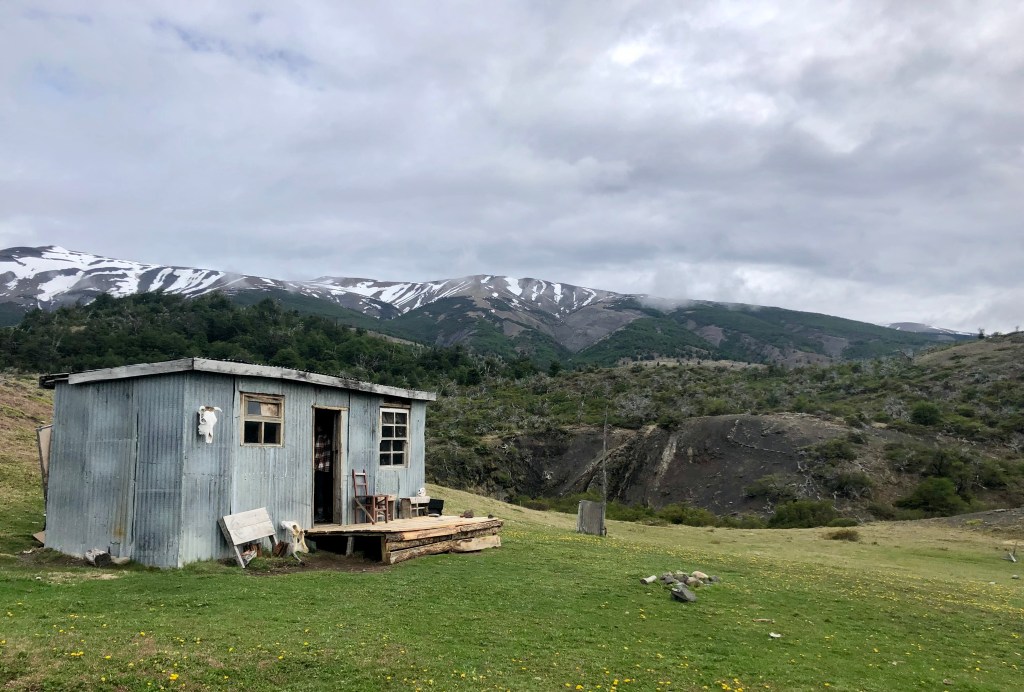
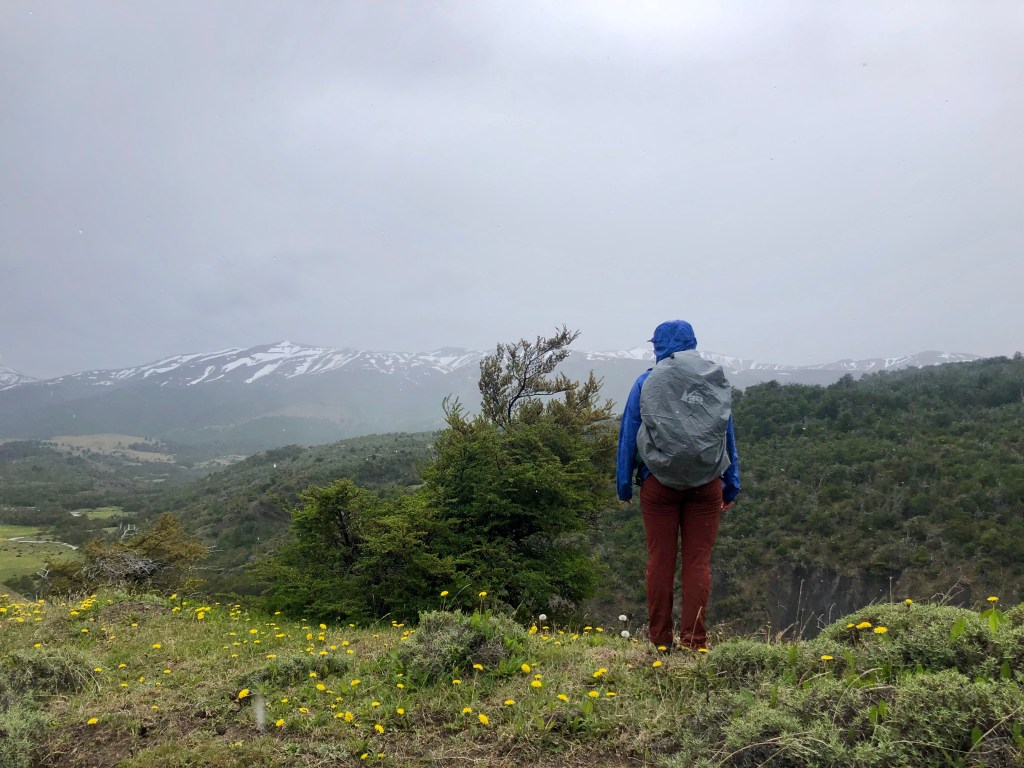
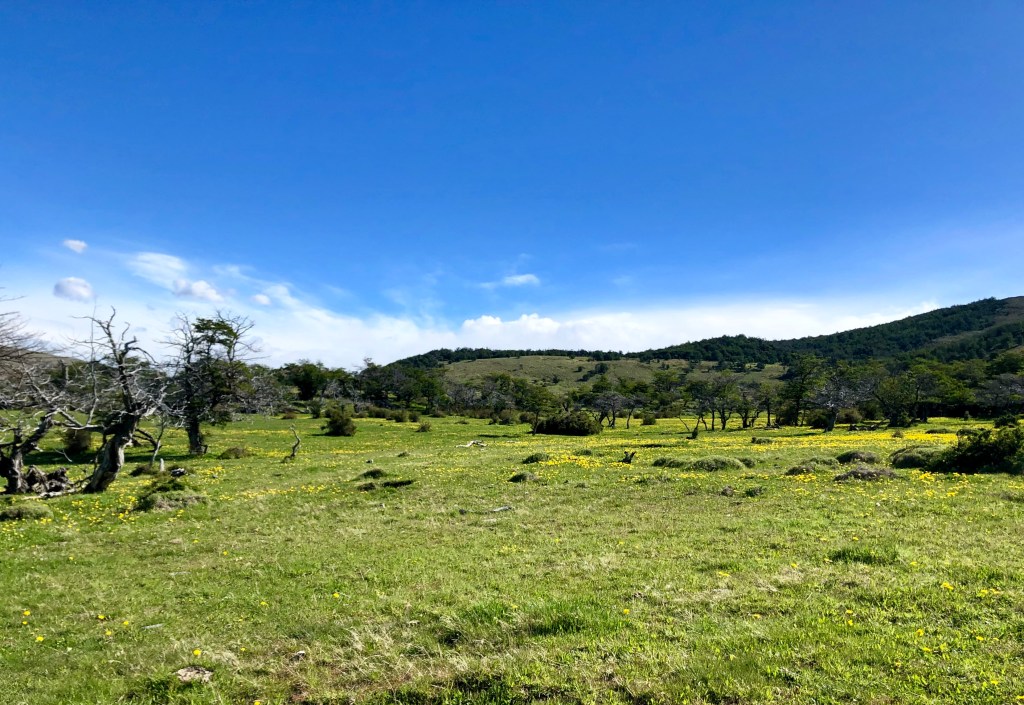
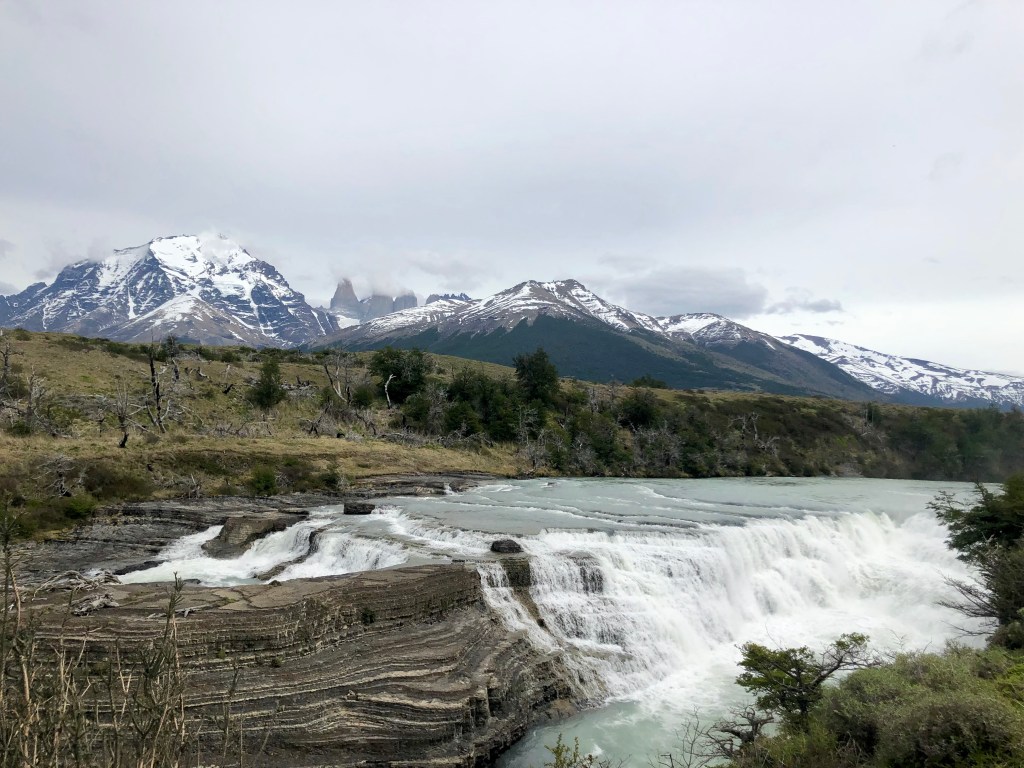
Last week my group and I traveled to Patagonia Bagual (photos above), a privately-owned research park that borders Torres del Paine National Park. It’s an absolutely beautiful place that values the concept of keeping the area as natural as possible, so there is a very limited crowd that comes to visit, and there aren’t any established hiking trails. Due to this, Bagual is definitely one of my favorite places that I’ve gone to during my program. By combining scientific research and controlled guided tours, the amazing people at Bagual are showing guests the importance of enjoying the area while also conserving the landscape. Another special part about Patagonia Bagual is that it’s the only place that you can still see wild horses! (They are referred to as “Baguales,” which means ‘feral’ in Spanish). We camped on the property while we were there, where I was able to spend PLENTY of time with the owner, Victor’s, own horses.
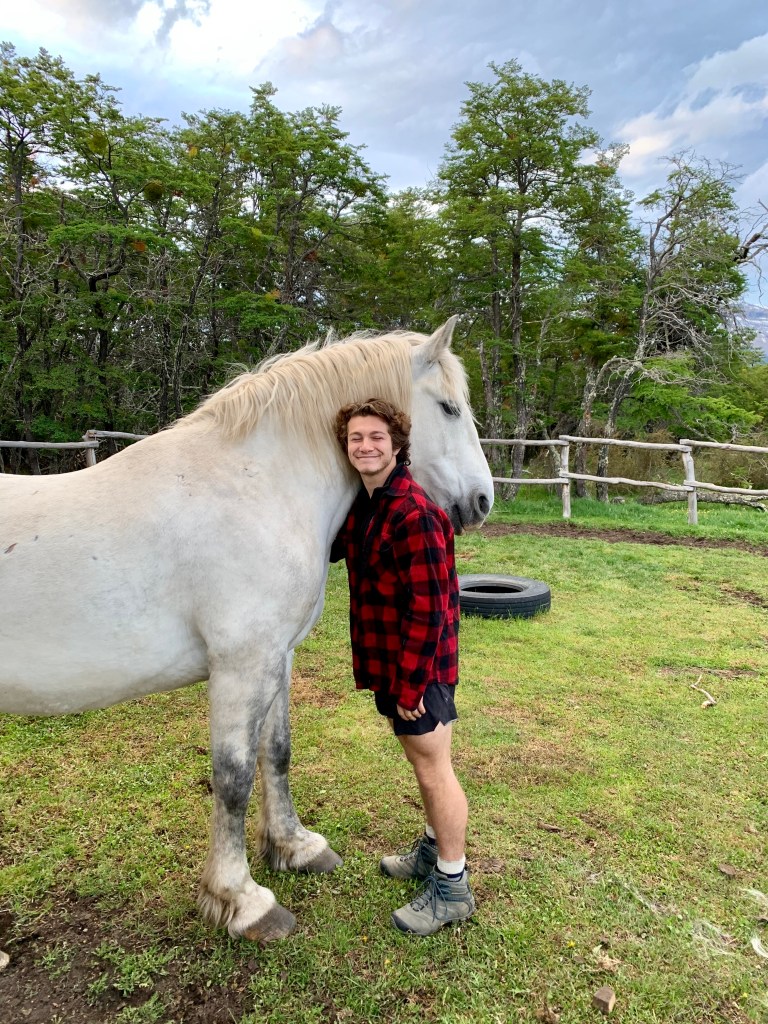
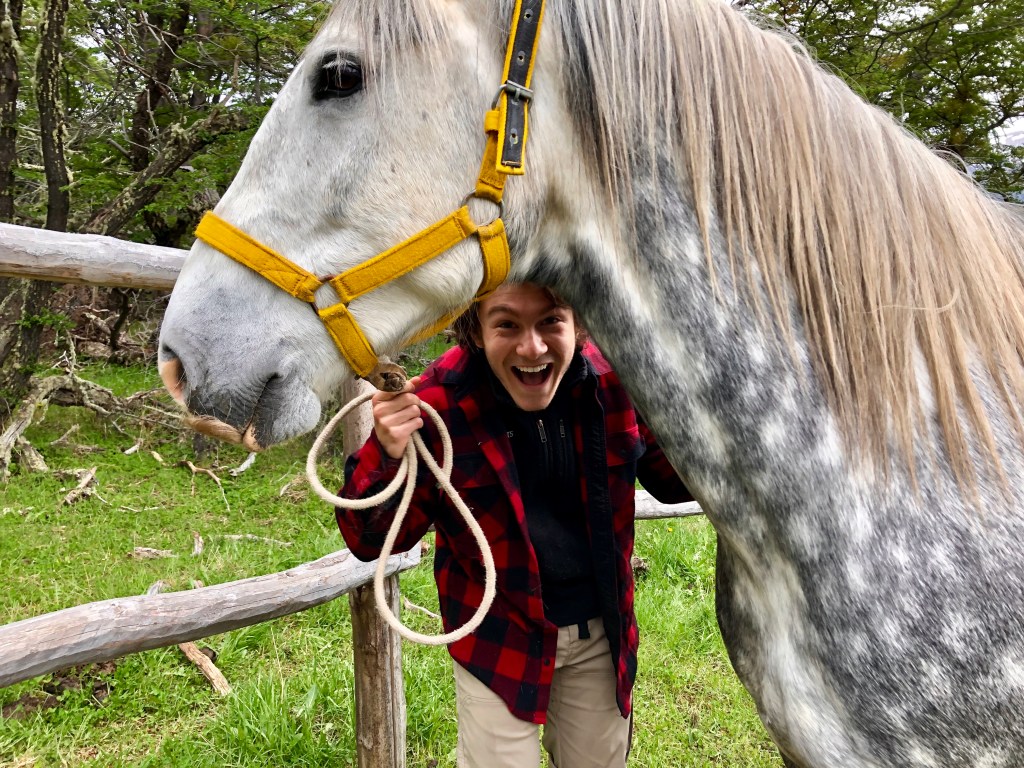
While we were there, Victor took us around the property on day-hikes and told us about the history of the park as well as their conservation efforts. We also took some of our class finals in the field. We’ve only been back to Puerto Natales for a few days, and it’s mostly been packed with finishing our final assignments and getting ready for Directed Research to start. I’m currently done with all of my assignments (woohoo!), so these past two days have mostly been me taking the time to myself and putting mental health first. I’m actually leaving tomorrow for a week to start my Directed Research, which is back in Patagonia Bagual. My project is going to be reconstructing the glacial and geologic history of the area using core samples taken from a peat bog!
“But Giuseppe, what in the world is a peat bog?” Yes yes, beloved readers, I was just getting to that.
A peat bog is a type of wetland or swampy area that accumulates peat, which is a deposit of dead plant material. Scientists love them because they do a great job at preserving sediments and other things like volcanic ash to then put together a timescale of past climate and weather events. Are you all jumping out of your seats yet? BECAUSE I AM. Get ready for a variety of photos of me in the bog. My partner Phoebe and I are already working on a “Beats for the Bog” Spotify playlist.
“What kind of music do you listen to in a bog?”
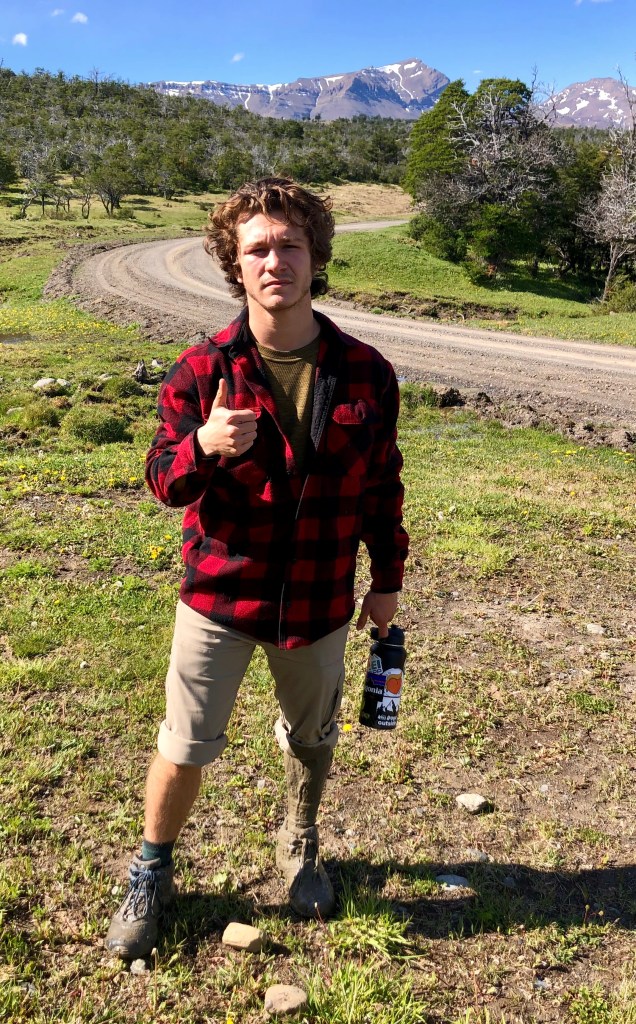
Great question. I’ll let you know in a week. Adios! I leave you now with a photo of me right after falling up to my waist into a hole of mud.
Blue Skies & TBI’s
Hi everybody! It feels great to be writing to you all again. I had to take these past two weeks and condense them into this blog post due to more traveling for my program and some health concerns—but don’t worry, we’ll dive into that soon.
The week leading up to my trip to northern Patagonia was nothing special, just more crunch time with submitting assignments before we left. My program stayed in Puerto Natales for that period and when I was not in classes I primarily was locking myself away to grind on my assignments, as well as a fellowship application that I had been working on since the summer and was due at the end of the week. I won’t lie and say it was a great week because, in all honesty, it was probably one of the most stressful (may I go back to the lesson learned that studying abroad is not always sunshine and rainbows). However, like any other stressful week in college, I got through it in one piece. Something to keep in mind that will make for a fun story later in this post is that a few days before I left for northern Patagonia, I accidentally hit my head on a door but ignored it and didn’t think anything of it. Afterward, I had a nonstop headache for about 2-3 days that I also ignored and didn’t think anything about (do you see where this is going?) If you haven’t caught on yet, I was also quite tired and slightly sensitive to light, but I was too stressed to care and wanted all of my assignments done (hopefully we’re on the same page now).
Fast forward to the day I was leaving for northern Patagonia. I woke up to leave Puerto Natales for the airport at 5 am with my group (I had a headache). We drove the almost-3 hours to the airport in Punta Arenas, smoothly went through security, and waited to board our plane (headache was still there but I took a Tylenol because that’s what you do when you’ve had a headache for 3 days, right?).
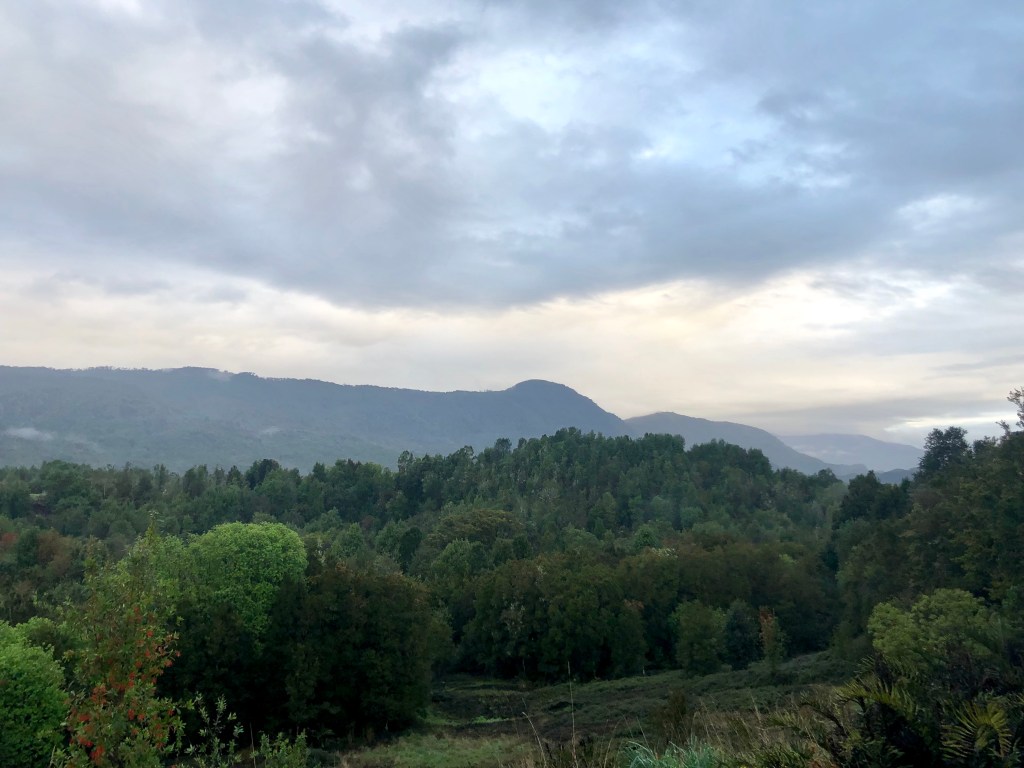
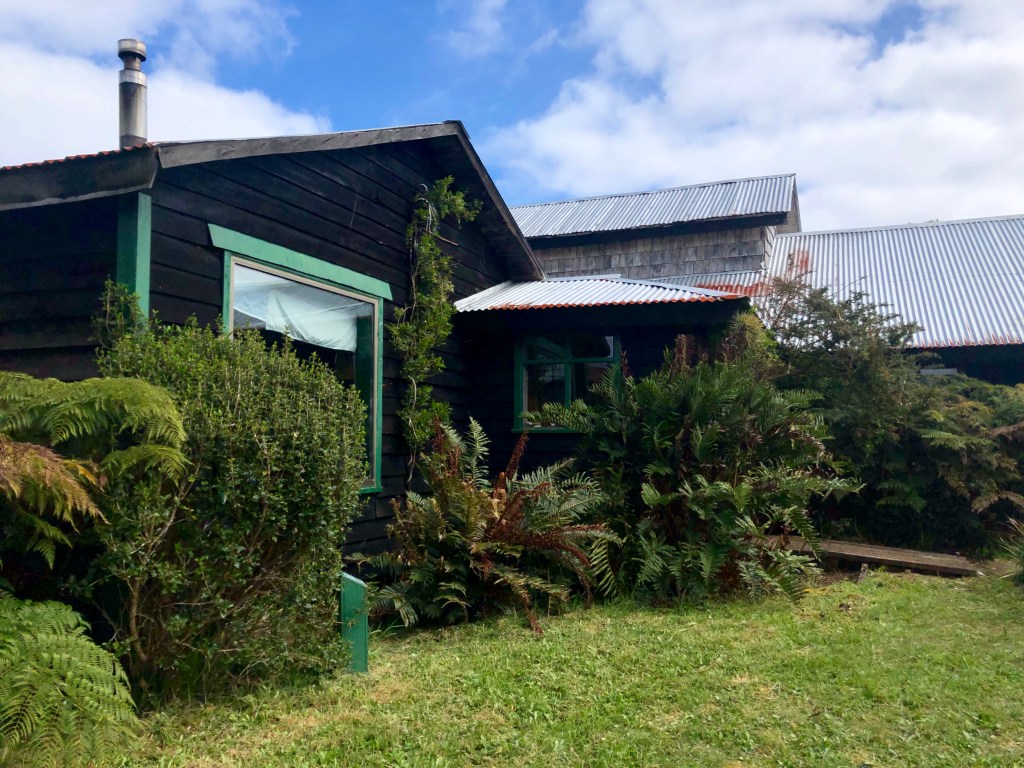
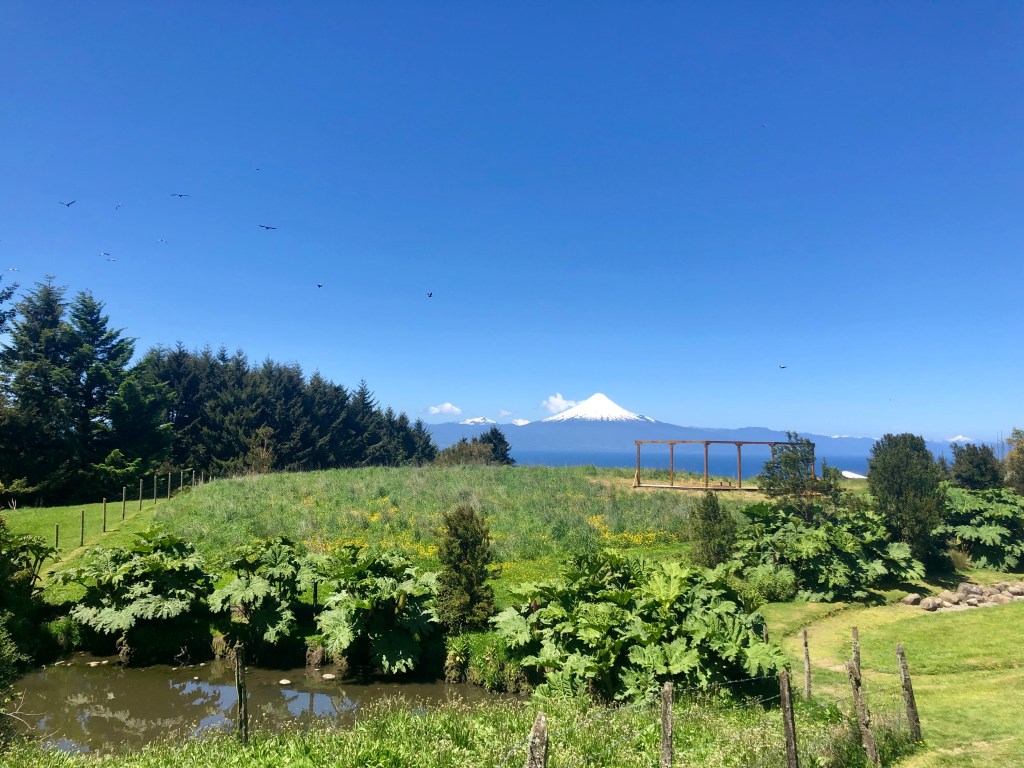
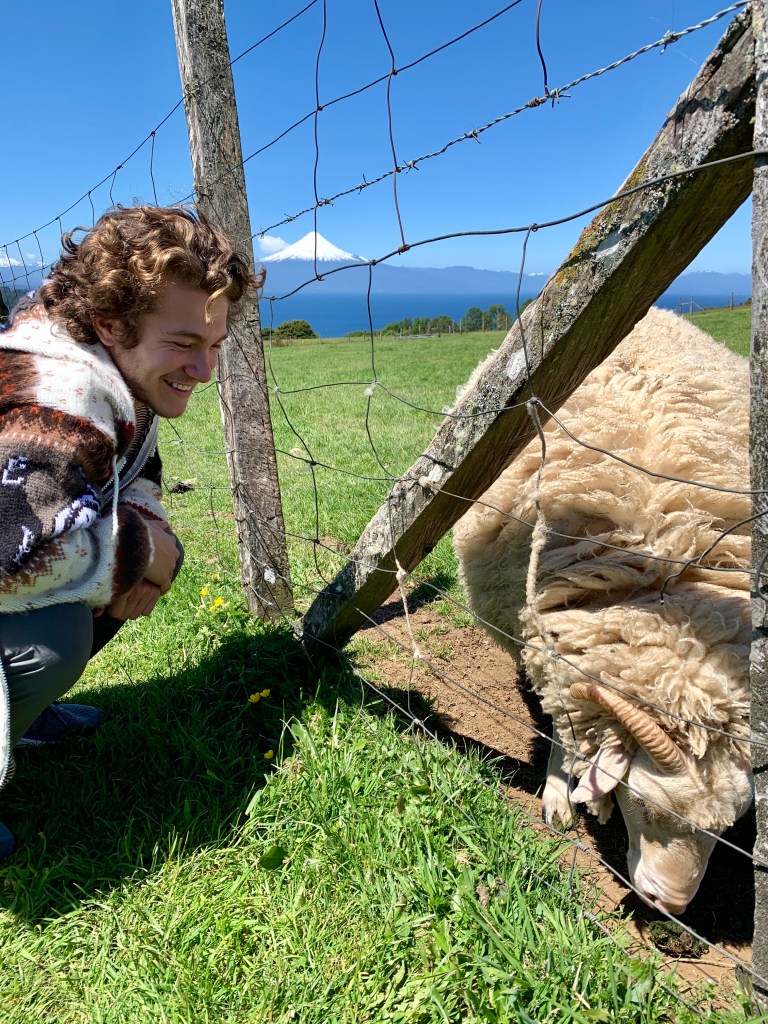
We boarded our flight, I did some readings for an assignment, and before I knew it, we were getting ready to land. The initial views of everything were BEAUTIFUL. The entire area was covered with trees and with it being the peak of spring everything was multiple shades of green. After being in a place for about two months where tree diversity is about 3 species, it’s pretty easy to be amazed by that type of thing. We set out to our first destination for two nights, which was Parque Katalapi. The park is privately owned and primarily used for research, and my group was going to do half of our plant phenology project there. The photos don’t do it justice because it was one of the most beautiful places I’ve been. The significance of northern Patagonia compared to the south is that it’s a part of the Valdivian Temperate Rainforest, which is a completely different ecosystem than everything south of it.
The first night at Katalapi was when I crashed. It was about 7 pm and I could barely keep my eyes open and it felt like all the energy I had was completely drained (joke’s on me because I barely had any energy from the start of that day). I talked to my student affairs manager and, for the first time, said,
“Hey, maybe I have a concussion! Not sure, just a feeling.”
So, I went to bed early that night to rest my head and hoped that maybe the exhaustion was from all the built-up stress of the last week. When I woke up that morning after sleeping for a little over 12 hours, my headache felt incredibly better, but it wasn’t 100%, which is when I told my student affairs manager, “Yup, time for a field trip to the hospital!”
I’m now going to spare you from the rest of those hours waiting at the hospital since I arrived there at 3:30 pm and didn’t leave until after midnight. BUT to make a long story short, I indeed gave myself a concussion by slamming my head onto a door the previous week. Shocker, I know. After doing eval tests and getting a CT scan my doctor told me it was mild, but I still needed to rest and sleep as much as my body felt was necessary. The good news was that I didn’t necessarily have to miss a certain number of classes or like myself in a dark room for two weeks. I essentially could live my normal life while also cutting down on-screen usage for the rest of that week as well as do only what didn’t give me a headache.
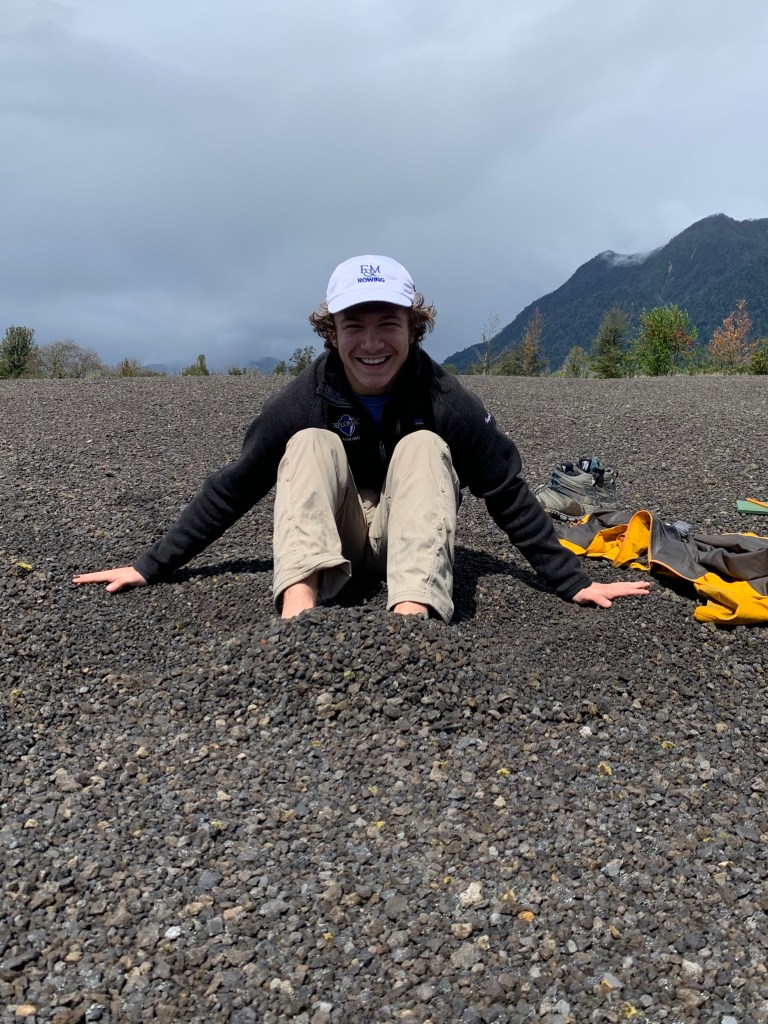
All of my professors were extremely accommodating and willing to help in any way, which I am so grateful for. The rest of that week we visited Parque Valle Los Ulmos, which was a protected park that experienced the 2015 Osorno volcano eruption and received about a 46 cm layer of tephra (volcanic debris) on the entire park, as well as Senda Darwin, a very popular research site on Chiloé Island. With all of the rest, I was feeling so much better by the end of the week and I’m glad I was able to enjoy everything with my classmates.
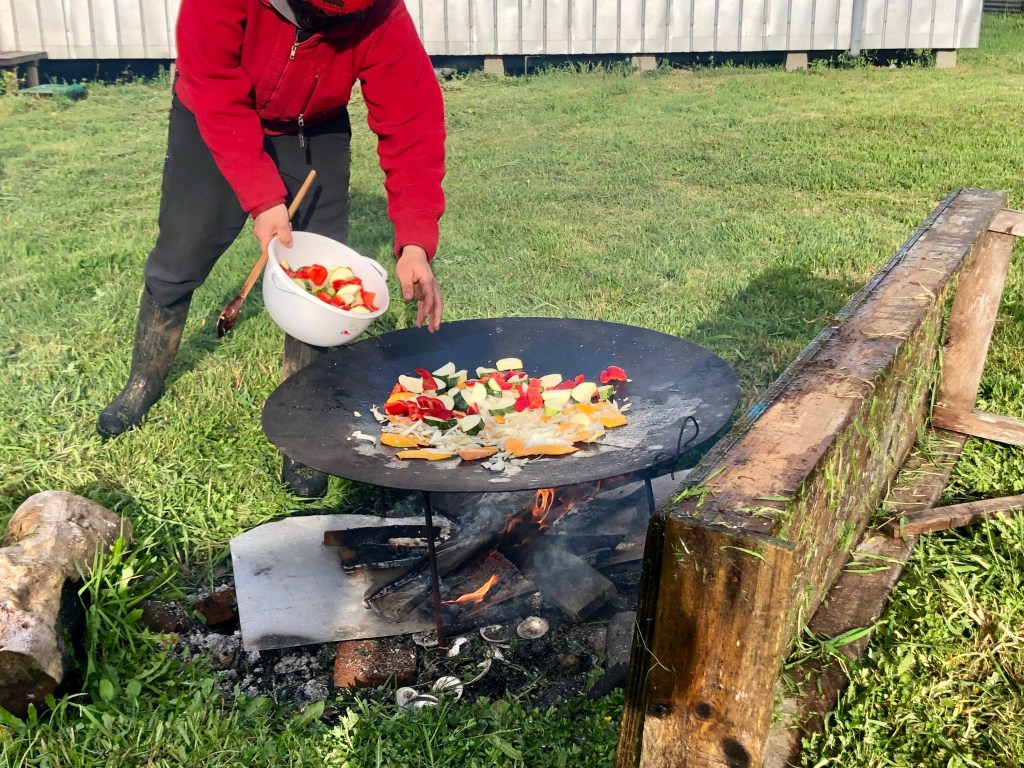
The lesson of this post, if you haven’t assumed it already, is to LISTEN TO YOUR BODY. It doesn’t matter where you are or your current load of responsibilities. I ignored every aspect of my injury and because of that, I felt horrible and also had the possibility of making the concussion much worse. I did not want to inconvenience myself with dealing with a concussion while studying abroad, which is the silliest thing I could have done. I’m lucky my injury was only mild and that I had such a great support system around me. I learned the importance of self-advocacy and voicing when I felt like something was wrong, even though I should have at a much earlier time. My lesson is learned and it’s something I will never do again since my health is much more important than any activity or trip I will be on.
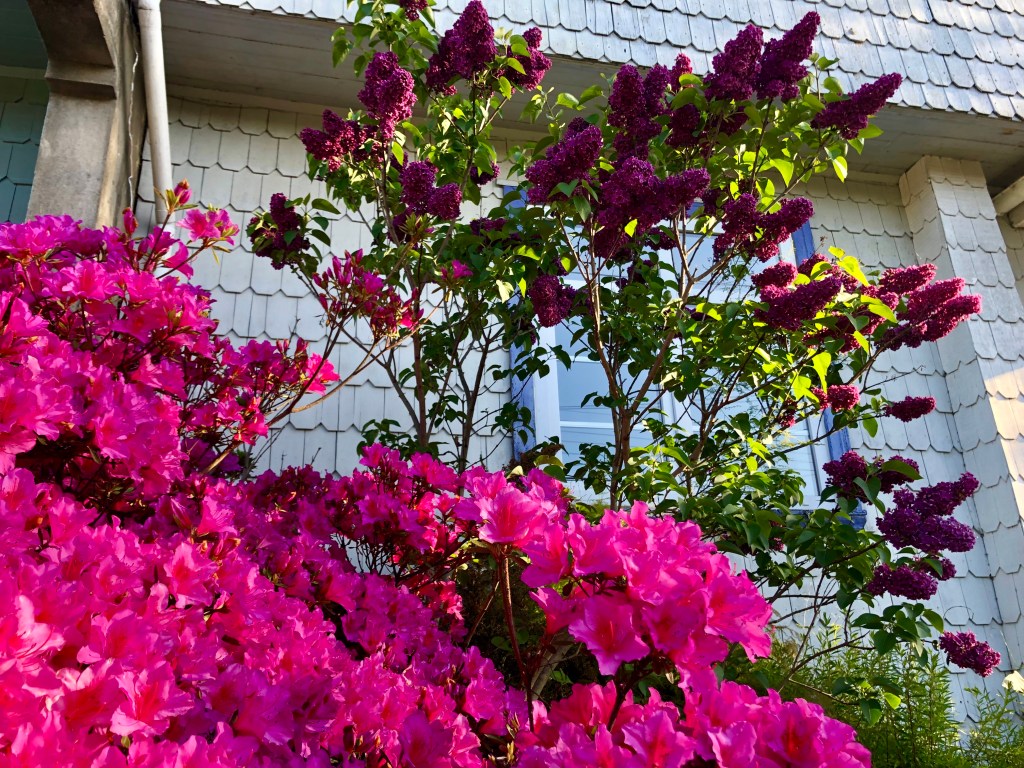
For this week coming up, I’m leaving tomorrow to do fieldwork and take my finals in Patagonia Bagual, which is a privately-owned section of the northern part of Torres del Paine National Park. The exciting part is that we will all be camping, which also means I will be without Wi-Fi and cell service until Friday, so expect my next post to be this weekend. Stay tuned for updates about Patagonia Bagual and I’ll talk to you all soon. Thanks for reading!
Austral Spring Break & the Chilean Neoliberalism Crisis
Hi everybody! I know it’s been two weeks since my last post so I’m going to be combining last week’s blog with this week’s, and I have SO much to tell you about. For the first half of today’s post I’m going to tell you all about the adventures (and misadventures) of my mid-semester break, which was exceptional. For the other half, however, I’m going to give you a brief rundown of what’s been going on recently with Chile’s political climate. As some of you may know from the news, Chile entered a state of political unrest last week after President Sebastián Piñera increased public transport costs. This resulted in Chileans protesting all throughout Chile, but mainly in the capital of Santiago. The increase in transport costs, however, was only the last straw from a series of issues and frustrations that Chileans have had with their country’s Neoliberal structure.
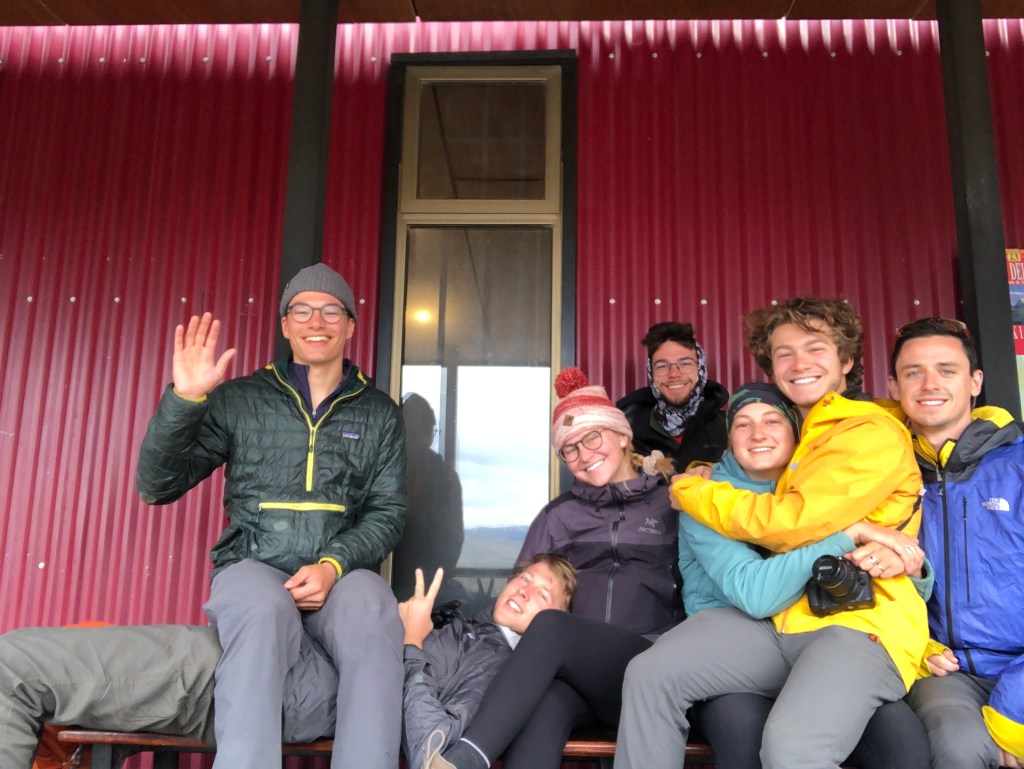
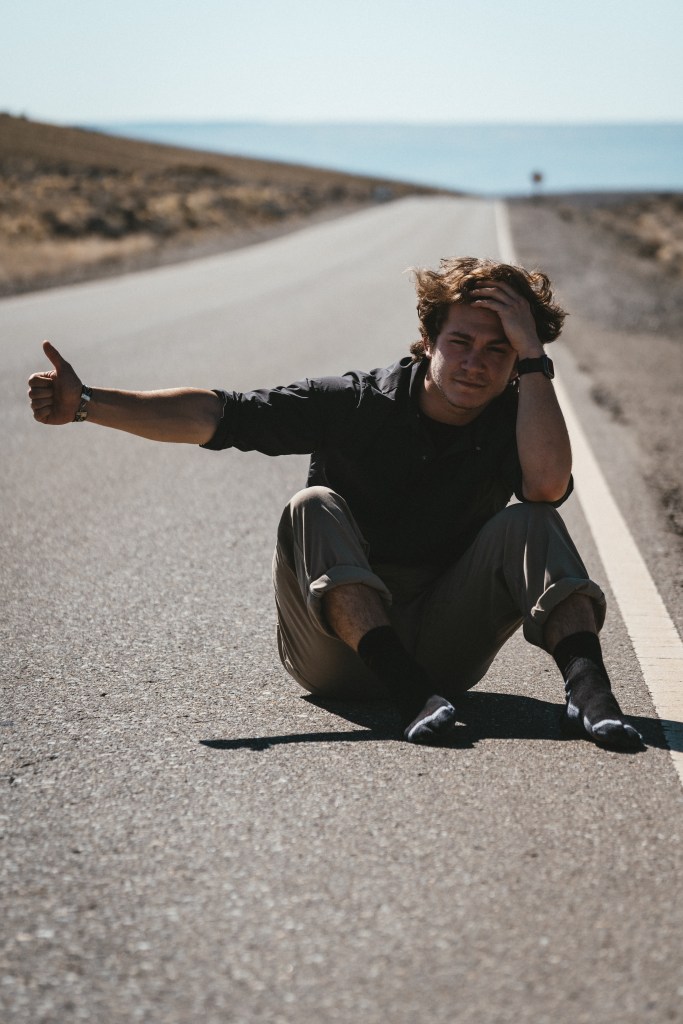
My mid-semester break started while I was in El Calafate, Argentina. My program had traveled there to see Glaciar Perito Moreno and to go to the Glaciarium, which is one of the world’s only museums dedicated to glaciers! Six friends and I boarded a bus from Calafate to go to the village of El Chaltén, Argentina for a few days to camp and hike around the famous Monte Fitz Roy. The bus ride was okay until we broke down once…then twice…and then for a third time—only that this third breakdown was for a few hours. We were in the middle of nowhere amongst the dry Patagonian steppe. The bus had left Calafate at 1:30 pm for an expected 3 hour drive (at most), but within that time frame we were then PASSED by the other bus that had left at 4:00 pm and was occupied by nine other students in our program (you should’ve seen their faces). Instead of any negativity however, the overall attitude of our bus was quite positive, and we were able to befriend a few other travelers. We were eventually rescued by another bus that took us to Chaltén, which got us there around 6:30 pm (When traveling, I’ve learned to ALWAYS expect the unexpected and to be as flexible as I can with my plans). It was way too late for us to hike the two hours to our campsite, so we found a place to camp in the village. Nobody was opposed to the idea because Chaltén is such an interesting hidden gem. It is a small town that mainly relies on climbers and backpackers to support its economy, and it only has about 350 inhabitants that live there year-round.
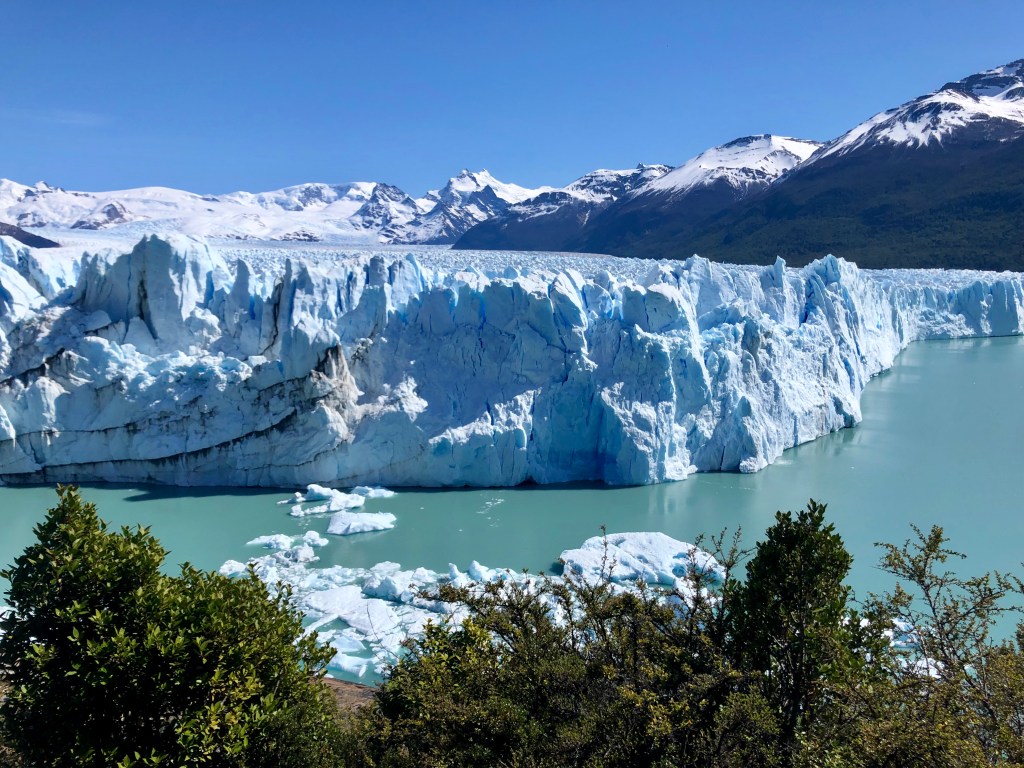
Our first day there we hiked the Laguna Torre trail up to Monte Fitz Roy, which takes about 7 hours roundtrip. What makes the mountain range here so famous is that it was what inspired Yvon Chouinard to found Patagonia, Inc., the clothing & gear company in 1973. Look closely at the logo of your Patagonia items, because it’s the outline of Mount Fitz Roy! Being up there and seeing the mountain in such close proximity was one of the most surreal and spiritual moments of my life, and it will always be a memory that I keep close to my heart.
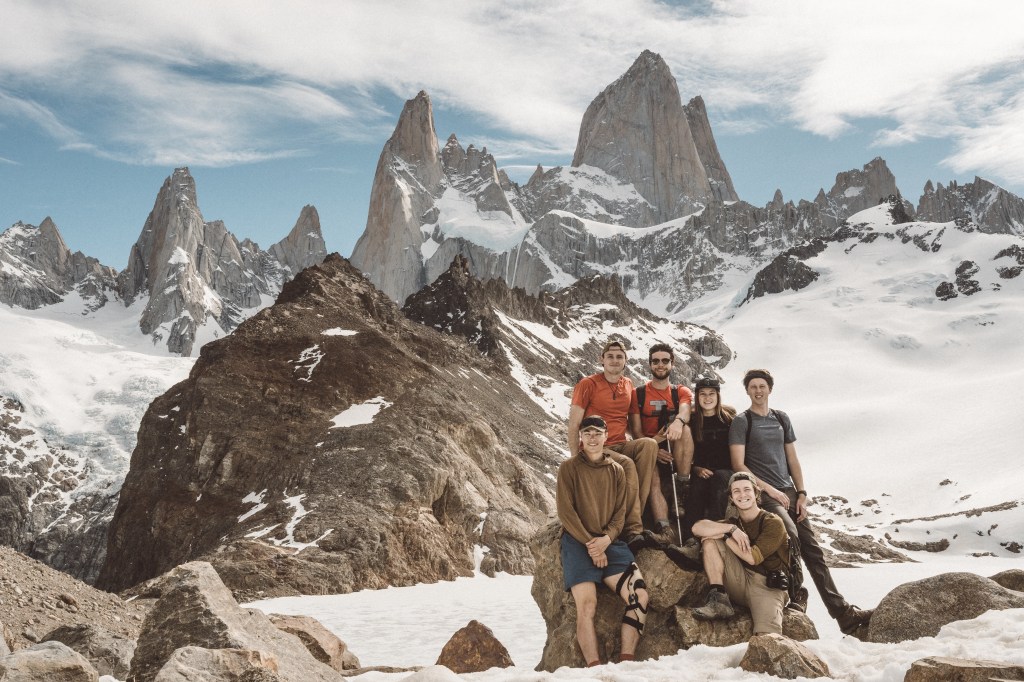
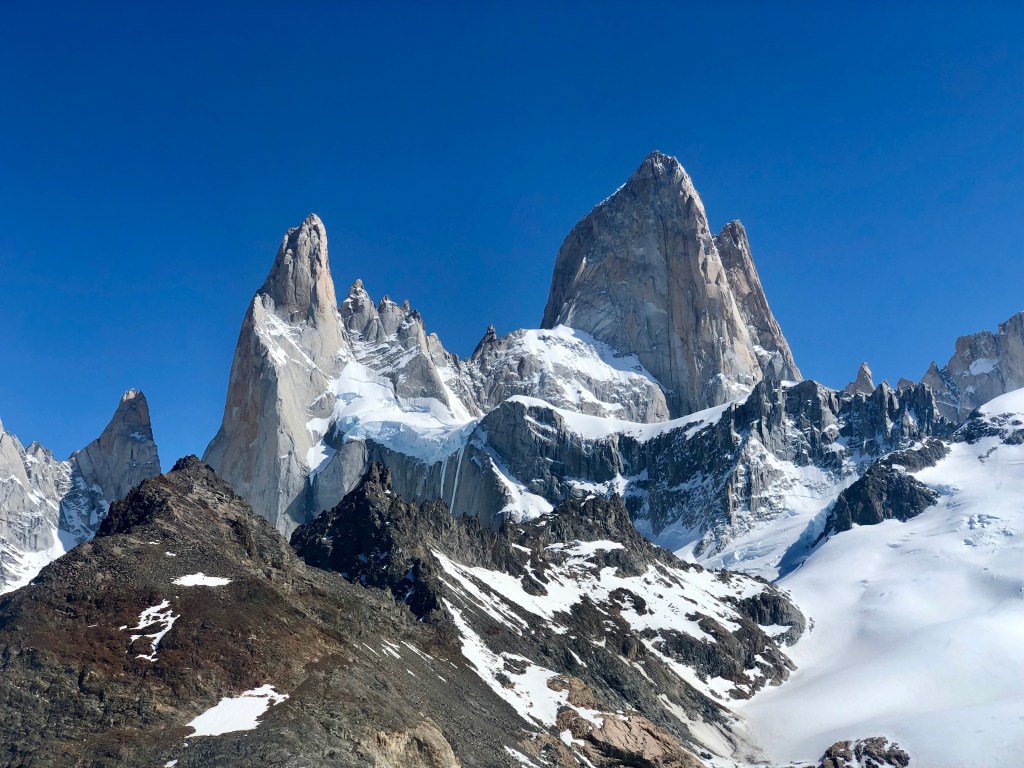
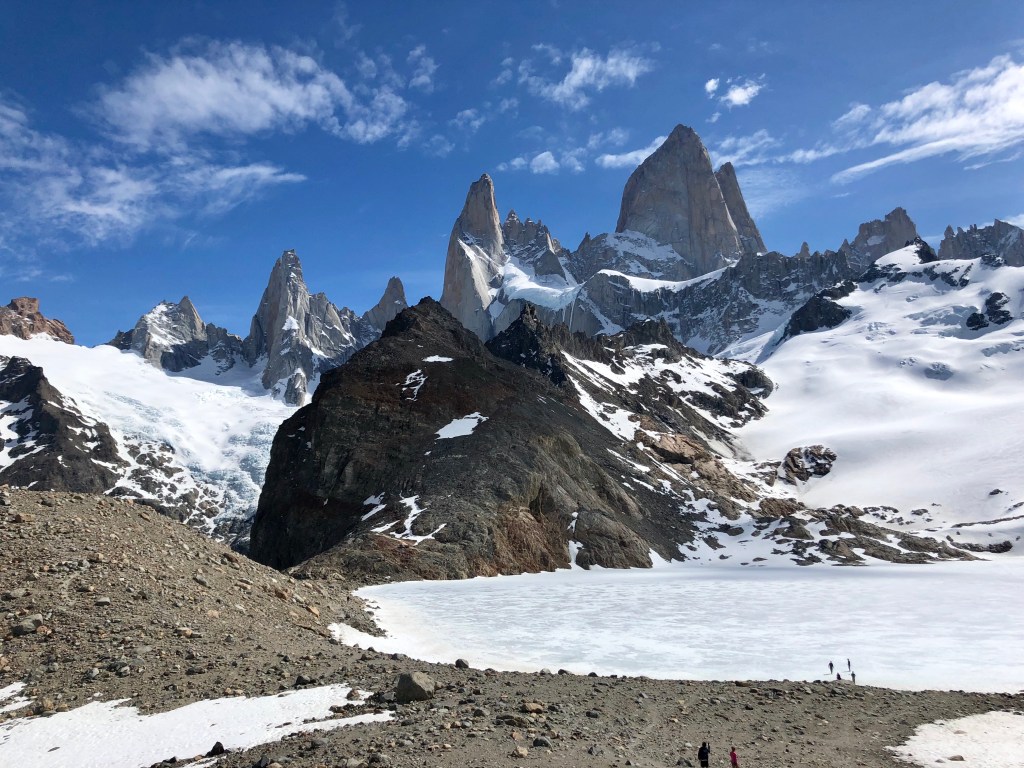
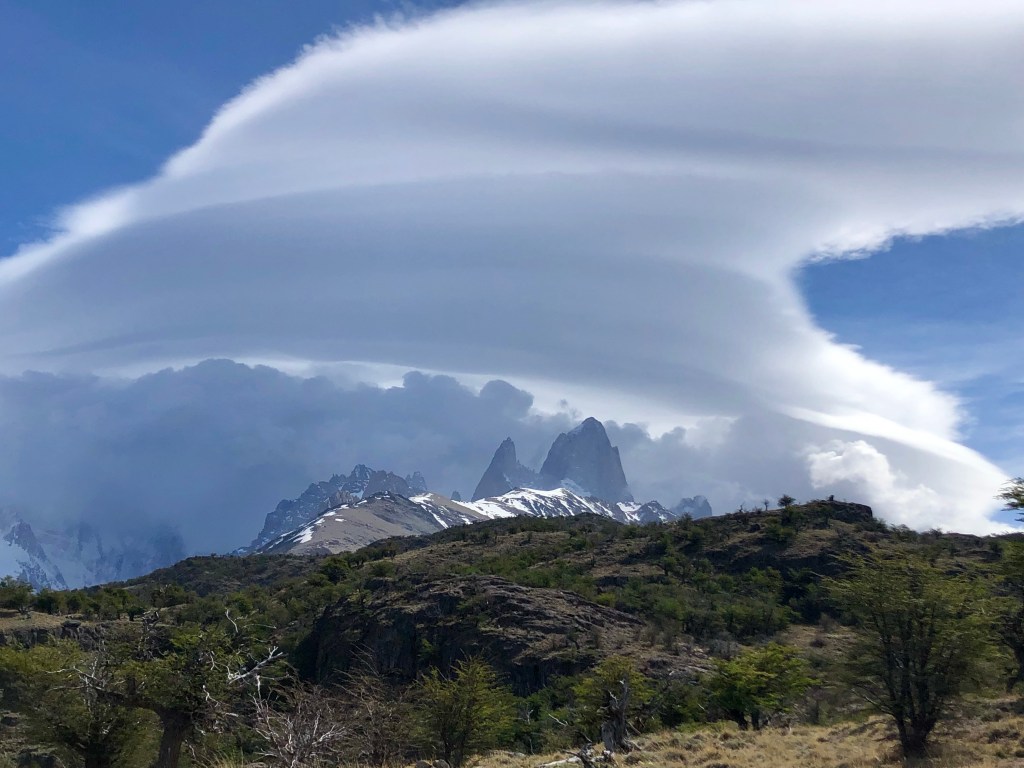
On our second day in Chaltén, we emerged out of our tents bright an early for another long hike on Sendero Laguna Torre. It was a little cloudy that day, but we still had spectacular views, especially when we saw a storm rolling into Fitz Roy.
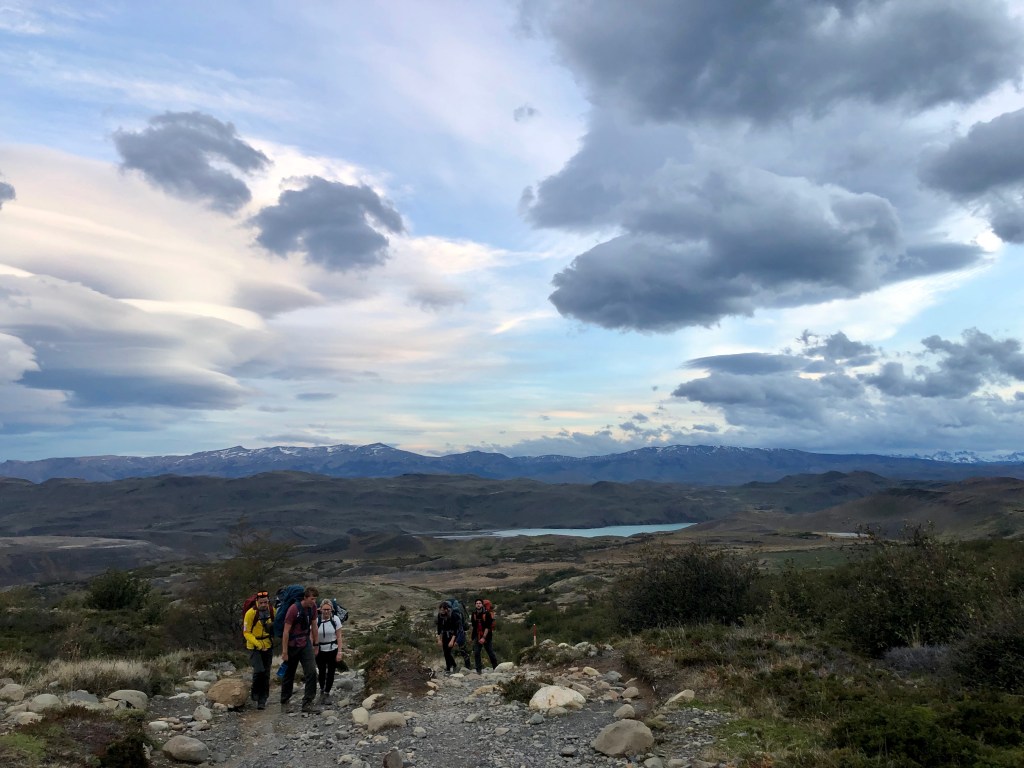
For our second part of our mid-semester break, we took a bus from El Chaltén back to Chile to backpack and hike in Torres del Paine National Park. Since my luck with traveling times and buses NEVER go accordingly, my group missed the shuttle that we were supposed to take to get to where we needed in the park and had to wait two and a half hours for the next one :).
Once we were dropped off by our shuttle, we had a 3 km hike up to our campsite. It was pretty late in the day and golden hour had set in, which made everything have a warm and magical glow. After golden hour passed, we had no choice but to finish our hike in the dark with our headlamps, which definitely wasn’t my proudest decision due to that area being prime puma country (if you’ve learned anything from me so far, it’s to never miss your bus). Once we got there, we ate tuna sandwiches for dinner and crawled into our sleeping bags to get a few hours of sleep in before waking up at 4 am for a sunrise hike to Las Torres.
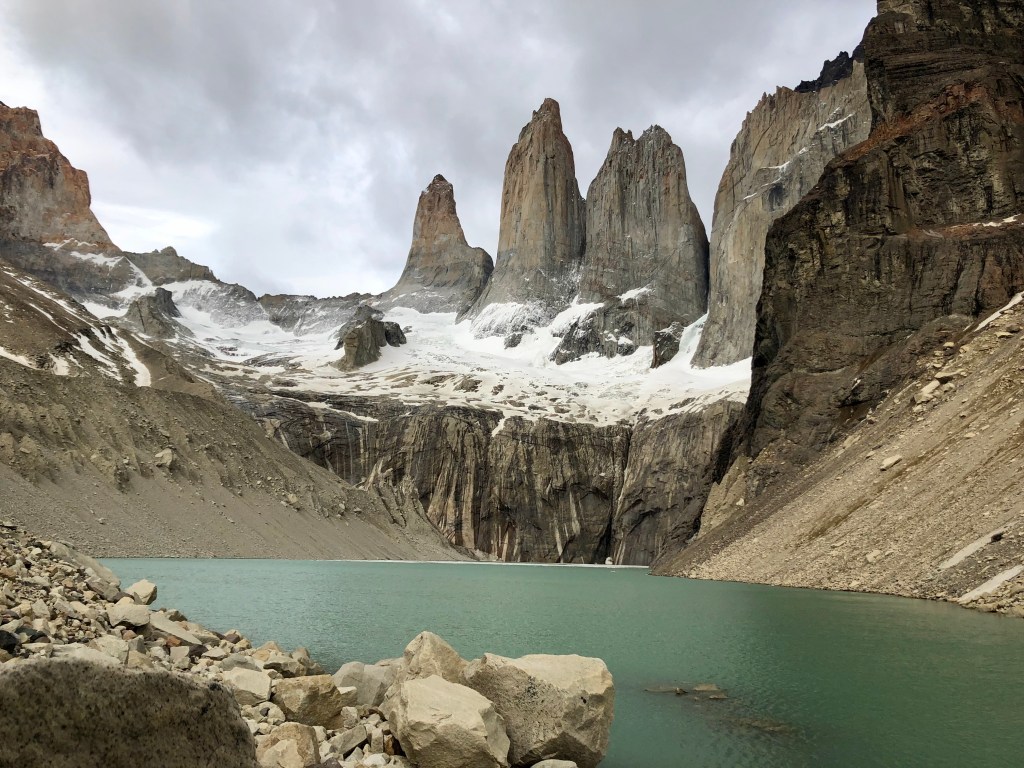
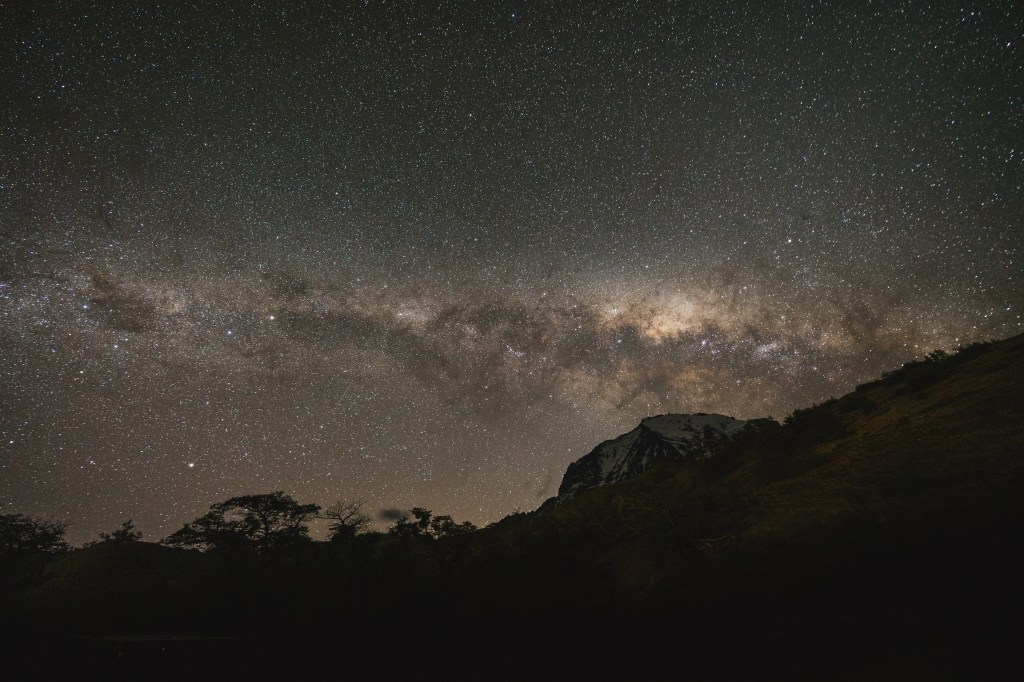
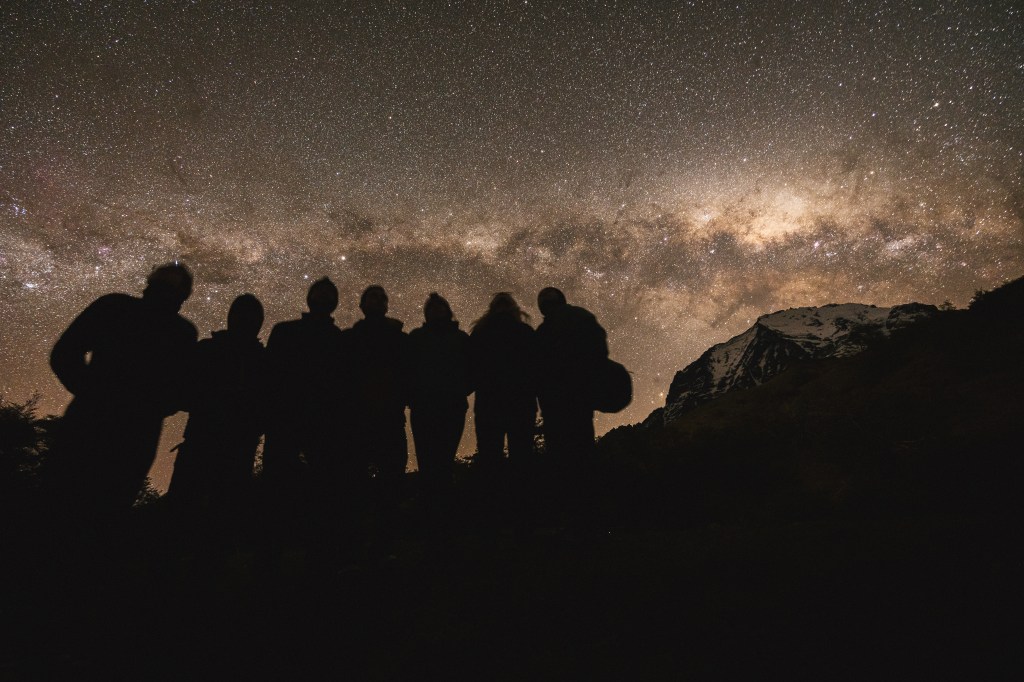
The rest of those days in Torres del Paine were spent doing smaller hikes and taking lazy days which were much needed. Our very last night we had clear skies and had the most spectacular view of the stars and Milky Way. I’m still unable to fully process the number of stars that I saw because it was unlike any view I will ever see for the rest of my life. We set one of the cameras up on a tripod and got such a great shot, so I hope you enjoy. ALSO—we made our bus back to Puerto Natales on time!!
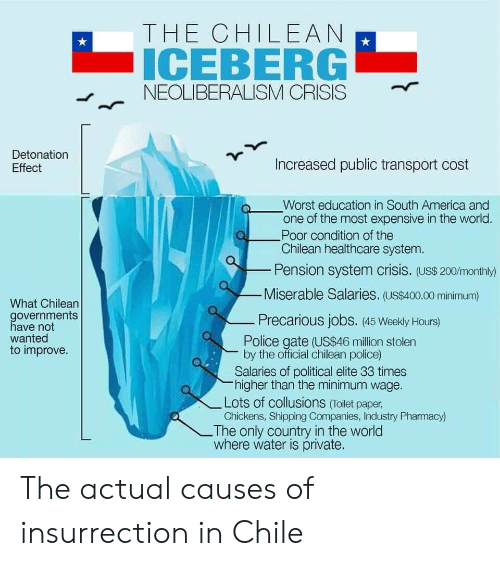
I’ve included a great visual that’s been circulating the internet that does a great job describing what’s going on in Chile right now, as well as what’s happened in the past that has resulted in millions of Chileans to protest and speak out. For the most part, protests have been peaceful, but there have been some that ended in violence and a number of unfortunate deaths. Chileans are frustrated with not only the increased public transport cost, but also low salaries, problems with pension, a declining healthcare system, and many other aspects. Although the President has issued an apology and proposed new reforms, Chile’s people do not believe it’s enough, or even the necessary actions to be taken. 1% of Chile’s population holds 25% of the country’s generated wealth, which has also caused an uproar. Millions all over the country have taken to the streets and certain cities have issued various curfew times. Piñera has also deployed the Chilean military into the streets, which has shaken up many Chileans, especially those that have vivid memories of the past dictatorship. Everything in Puerto Natales has been pretty mild, with most violence occurring closer to Santiago. My program still implemented a few curfew times for our own safety however, since we still had some instances of fires and tear gassing on the streets over the past week. Most of what I have seen here in town is the cacerolazo form of protesting which is extremely popular in Latin America. It involves citizens marching in large groups with signs and banging pots and pans while demanding reform.
Although it’s a very interesting and monumental time to be in Chile, I’ve learned the importance of taking a step back and just being a spectator. No matter how much I agree and empathize with the way the Chilean people are feeling right now, it’s not my place to get involved with protests or any demonstrations. Respecting my limitations and boundaries with what’s going on in the country is what’s best for me and my classmates to do, as well as take whatever action is needed to stay safe. I’ll be sure to provide updates in the upcoming weeks.
Next Friday, my program will be flying to northern Patagonia for a few lectures and projects involving the temperate rain forest, so stay tuned!
Torres del Paine & crunch time
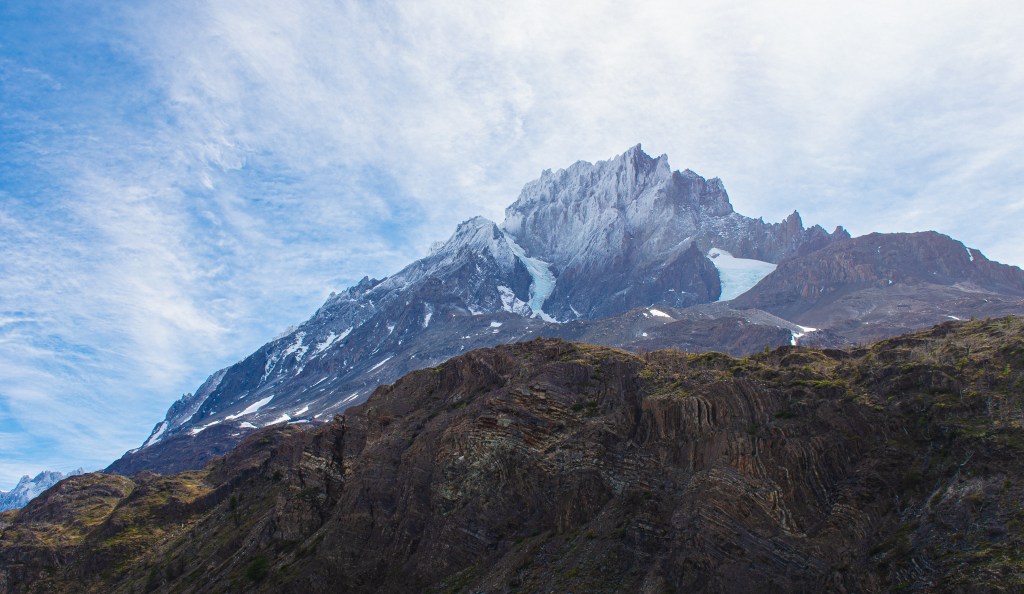
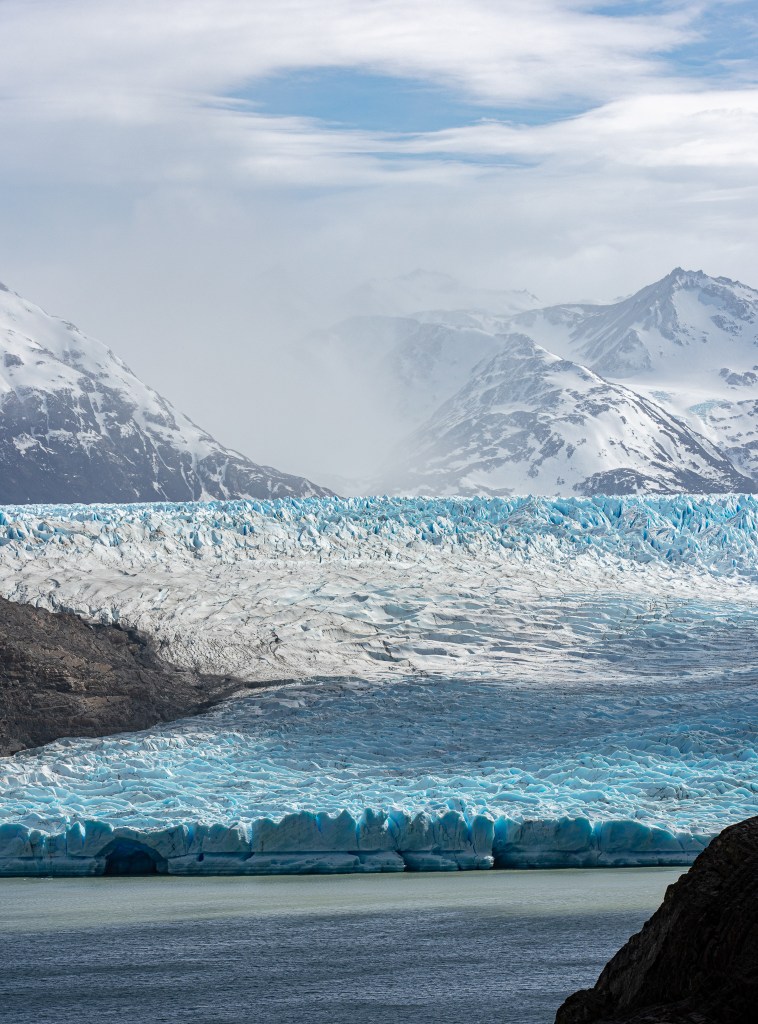
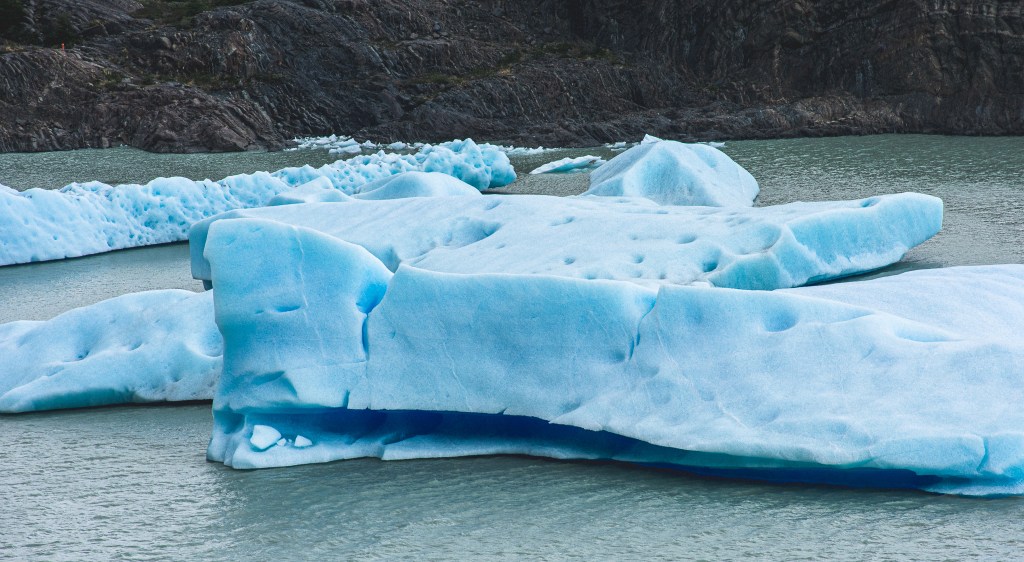
New week new blog! We just returned from Torres del Paine National Park, which was both incredibly fun and exhausting. My group arrived Monday afternoon and did not return to Puerto Natales until late Thursday night. Our days consisted of hikes throughout the park that ranged between 12 and 15 K to different ‘refugios,’ which are similar to hostels as opposed to camping. On these hikes, we had to pay special attention to what we’ve been learning about in the classroom, which was different glacial landforms, geologic processes, and the way the land there is now recovering from a major (human-caused) forest fire in 2015 that burned enormous swaths of the protected park. We also learned about the ecological implications of Glacier Grey, the enormous glacier that is on the western side of Torres del Paine.
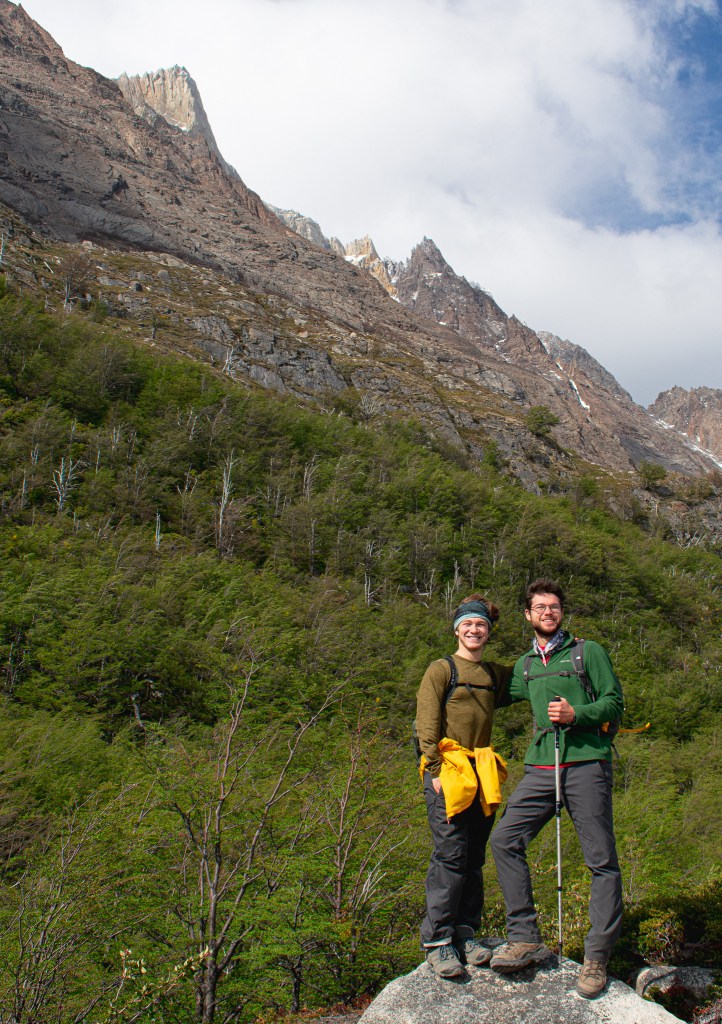
While at the refugios, we were given an additional assignment to analyze how these structures throughout the park are contributing to sustainable practices and ecotourism since they are fairly remote but receive thousands of hikers and backpackers during the year. My group had the chance to interview some kayaking guides that live full-time in the park while they are working. They told us how they can store water directly from Lago Grey to use for their cooking, cleaning, and everything else that isn’t consumption. For drinking water, they take a boat out every day to one of the waterfalls near the glacier and collect the freshwater in large jugs. On the other hand, they wished they could be better equipped with materials to compost their food waste as well as transition to using solar power at their site.
Some of the sustainable practices at the refugios included eco-friendly toilets, controlled heat throughout the buildings, and sinks that run on a timer. These types of sustainable practices in the park made me think about the way tourists may overlook their environmental impacts when visiting protected places like Torres del Paine. While on the trails I still noticed things like wrappers and trash, as well as a large amount of waste being generated at the refugios from the use of plastics like cups, jam containers, and other items during meals. It made me extra conscious of my own waste and how I may be able to reduce it.
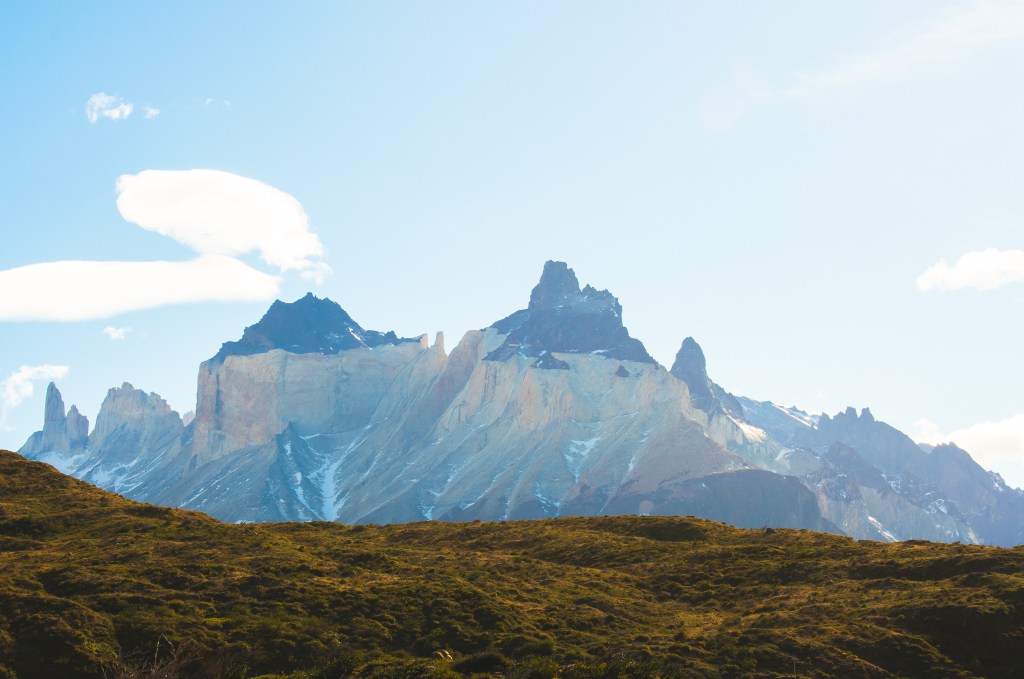
Now that we are back in Puerto Natales, it’s all about time management. Even though we returned from our trip on Thursday, we leave again tomorrow for El Calafate in Argentina, followed by our mid-semester break where I’ll be traveling to El Chaltén and back to Torres del Paine! Between now and when we leave my fellow students and I are working hard on assignments and midterms so that we can go into the next two weeks as stress-free as possible. Wish us luck!
Accepting (and learning from) bad days when abroad
Happy Sunday everybody!
To be completely honest, this past week was not that exciting—or even that great for that matter. It was the first time I started to feel stressed and overwhelmed since leaving to study abroad, and I found it extremely difficult to accept those emotions. There is such a stigma with studying abroad where you are always supposed to be having an incredible time without any bad days. While being in such a beautiful place, I’m still taking classes and having to submit assignments and study for exams. Since my program consists of only 22 other people, it was especially difficult to not build tensions between one another when we live in such close quarters and everybody is just as stressed.
Despite the stress, one of the highlights of my week was playing soccer with our “Spanish & Chilean Culture” professor, along with a bunch of students from the local university in Puerto Natales. Being able to let loose for a bit and make new friends was a great experience, and we even made plans to meet up with them in the future for more soccer games.
Now that it’s Sunday and everything that was due is now finished, I’m able to reflect on how I felt and understand that IT’S OKAY to have bad days when being abroad. I remember my college telling us (the students that were going abroad the following semester) that this type of feeling will happen, but I did not pay much attention to it since I was in the mindset that it wouldn’t happen to me. Taking a couple deep breaths, going for walks, and talking to others about topics unrelated to school helped so much. Not every second of my experience here will be full of adventure and fun, and sometimes I’ll have days where I’m too busy with schoolwork to be able to explore Puerto Natales or relax at the center. Stress will happen, but life goes on. I’ve learned that it’s all about the way one deals with stress that is important, not the stress itself.
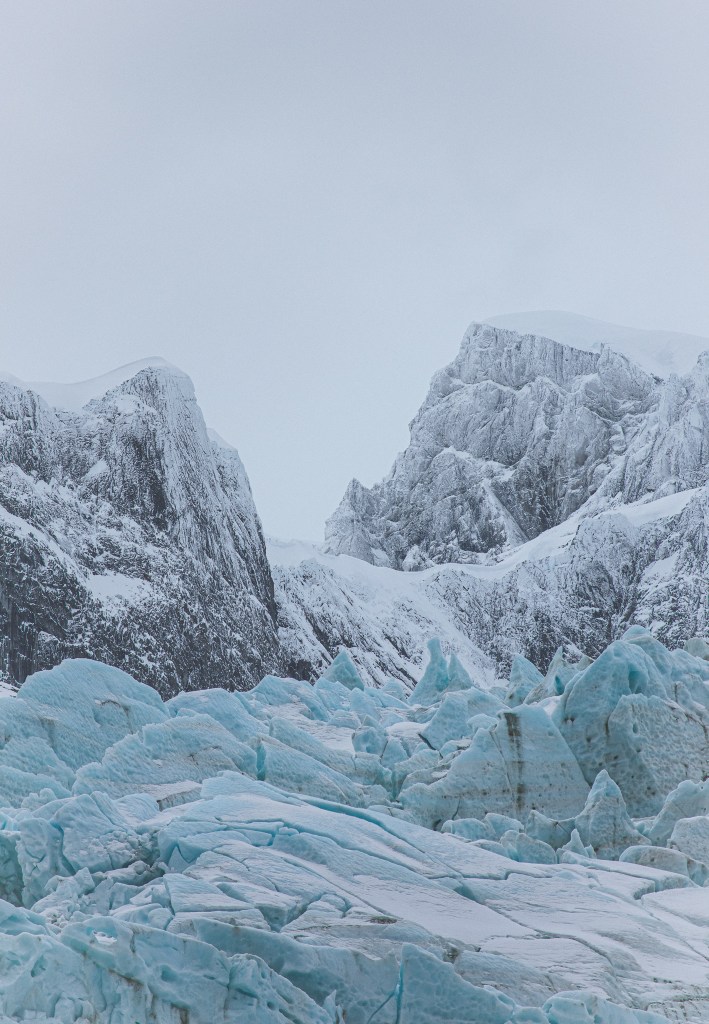
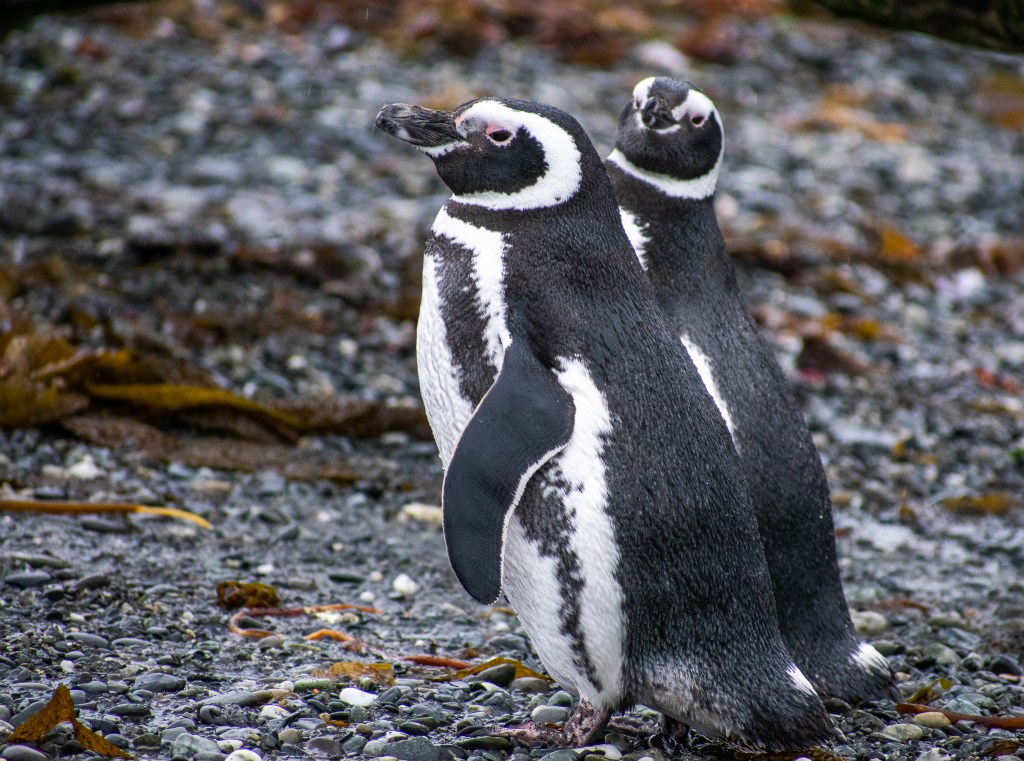
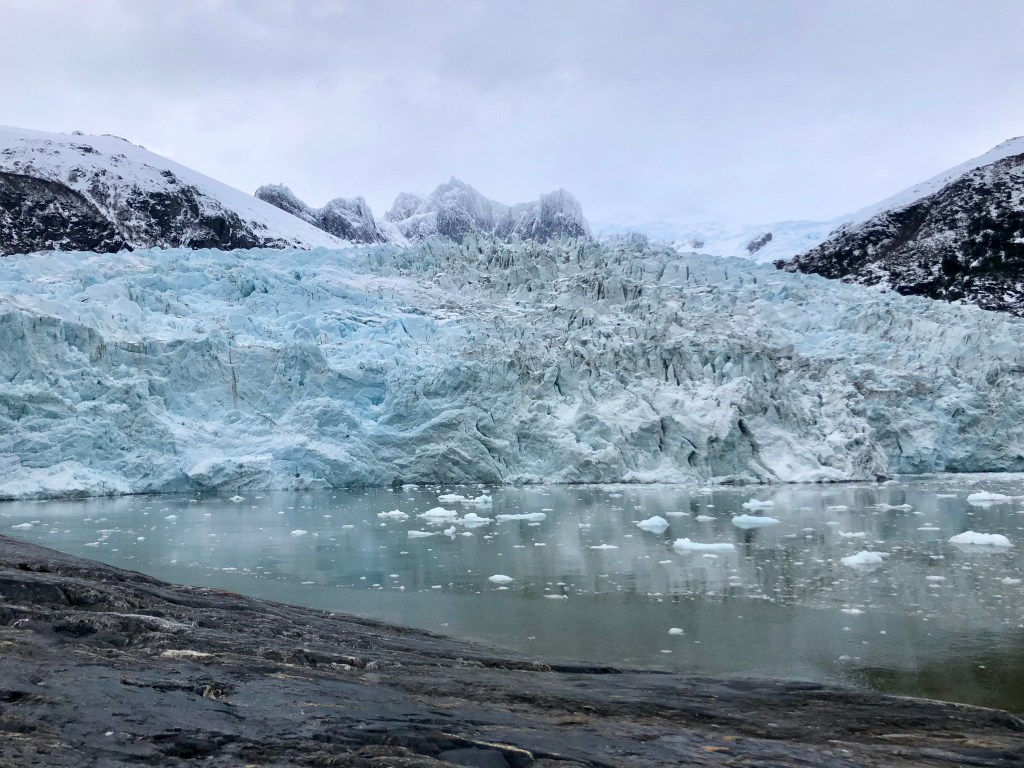
Looking forward, I can now get excited for my program’s next trip, which is to Torres del Paine National Park! We’ll be leaving tomorrow to spend the next four days trekking on part of the “W trek.” We’ll still be having our class lectures and assignments, but they will all be related to Torres del Paine. It’ll also be refreshing to get out of the center for a few days and into the mountains (fingers crossed that we see a puma!). Plenty of photos will be taken, so get excited! Additional pictures from my boat trip have also been uploaded in this post, so I hope you enjoy 🙂
Also! Feel free to follow @thesfs and @thesfs_chile to see more photos and get the inside scoop of what I’ll be doing!
Caminamos por el clima
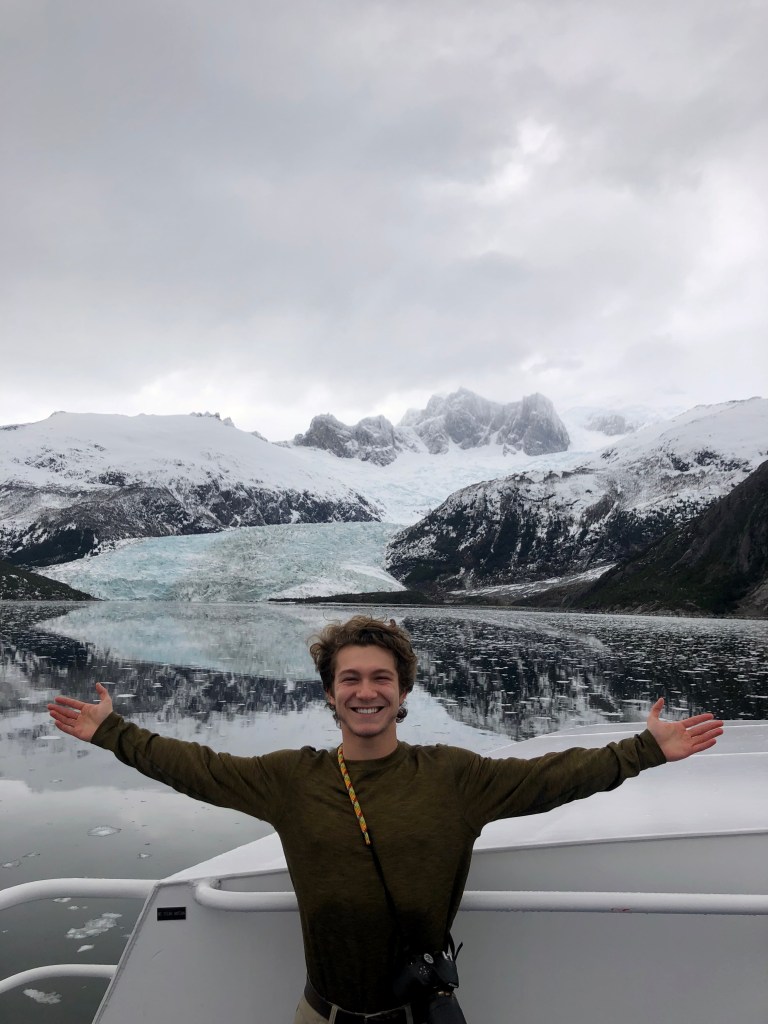
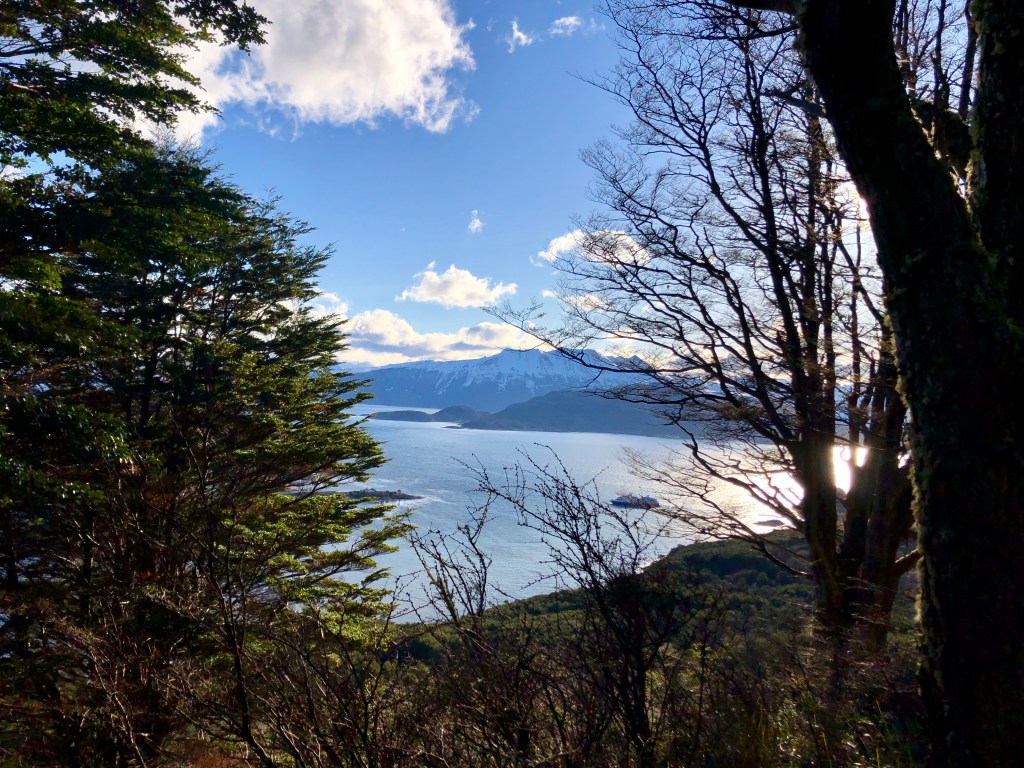
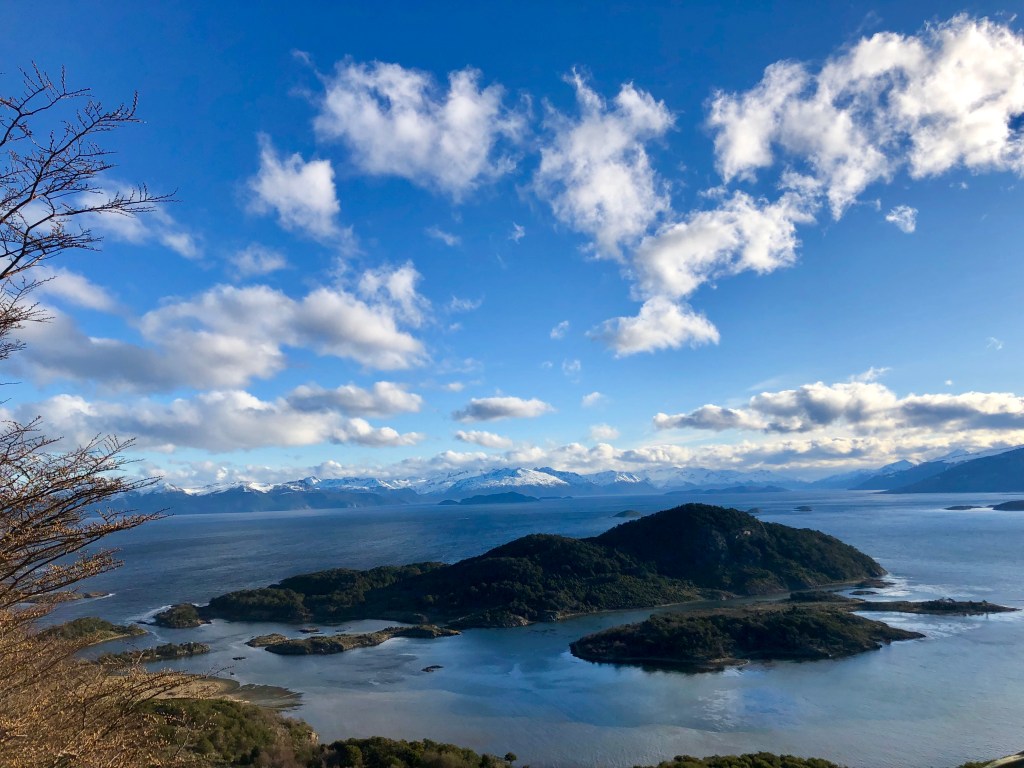
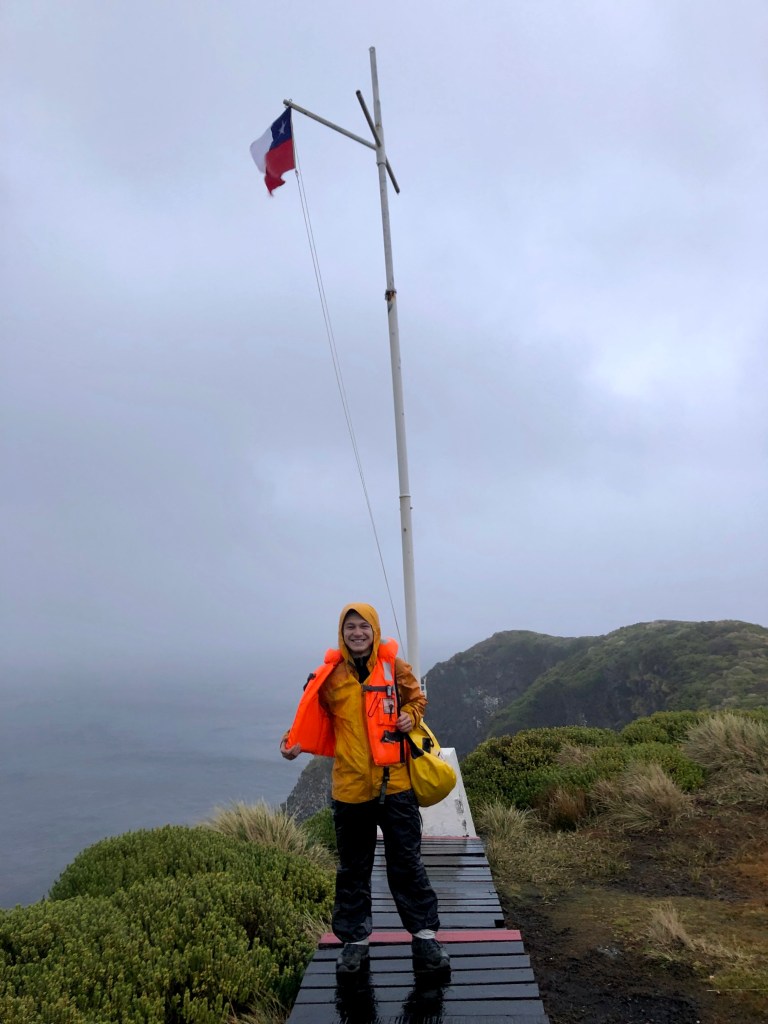
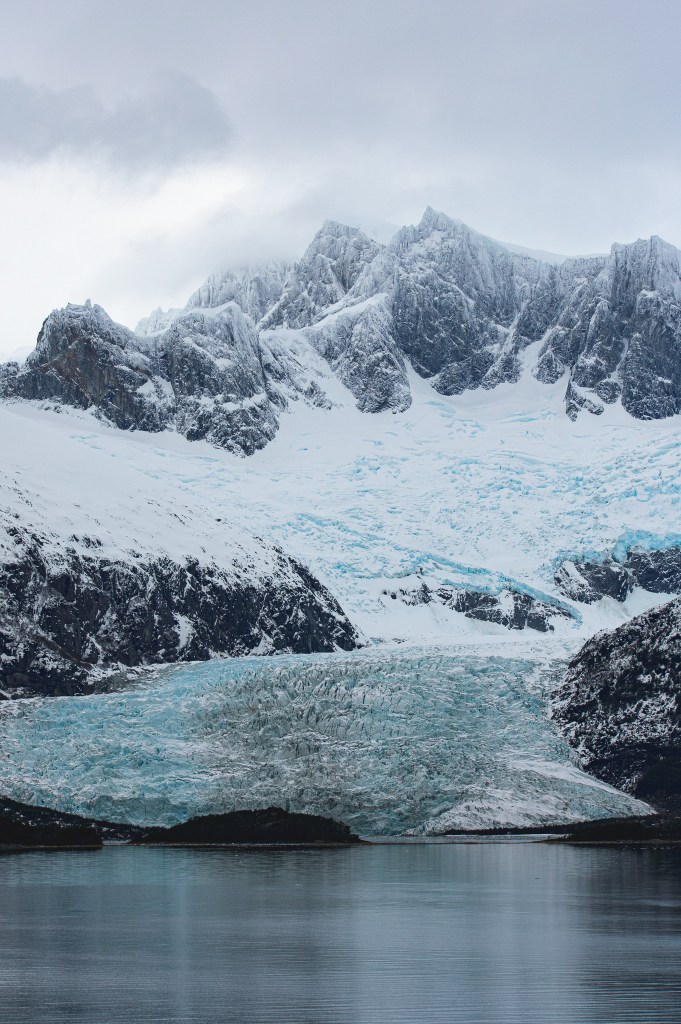
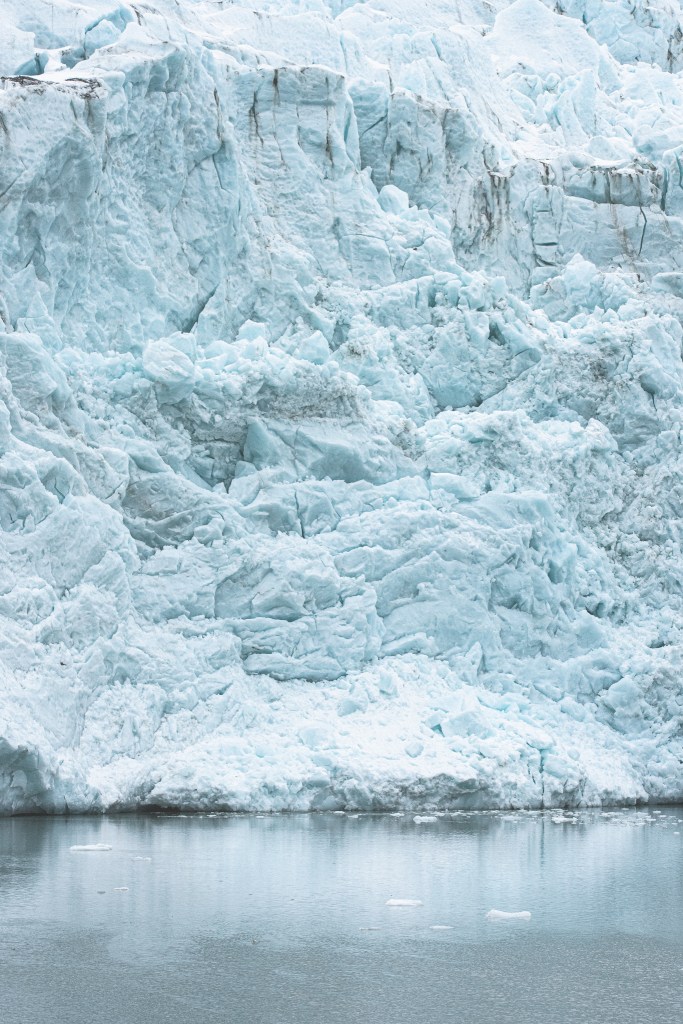
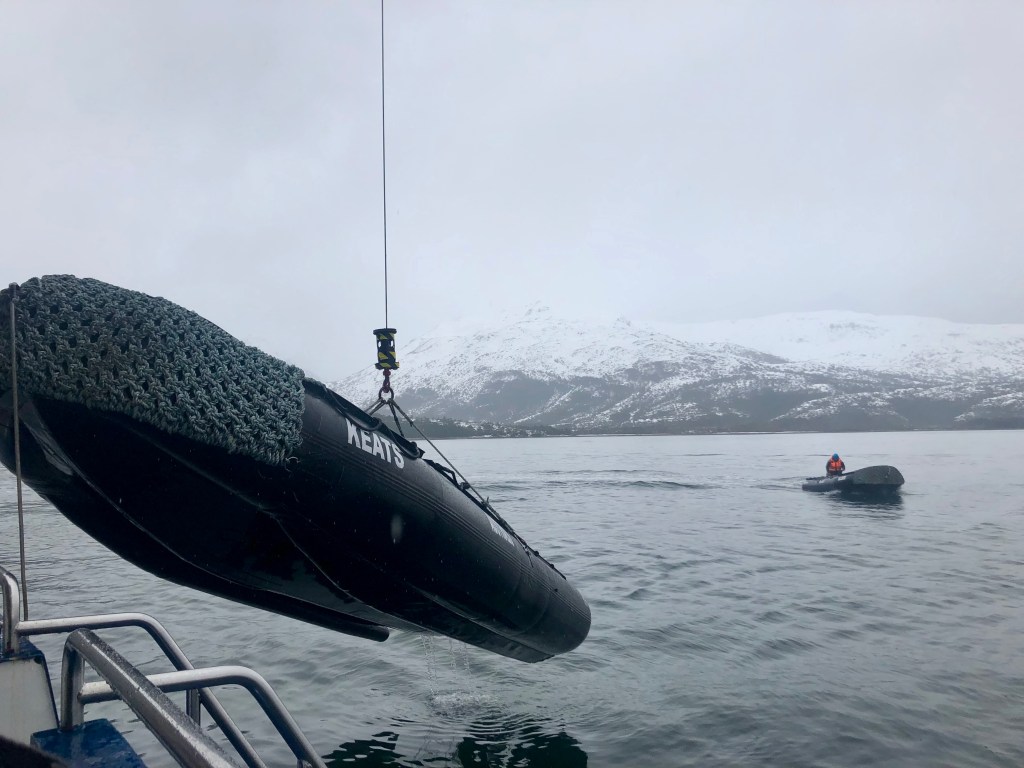
Hola Amigos! So much has happened in the past week that I don’t even know where to start! Last Saturday we drove 3 hours from Puerto Natales to Punta Arenas to board the Stella Australis. From there, we traveled by boat all around Tierra Del Fuego and around the very tip of South America. Photos will be provided soon, but for reference, we went to Ainsworth Bay, the Tucker Islands (home to Los pingüinos magallanicos!), Pía Glacier and Glacier Alley, Cape Horn (the southernmost point in the world not including Antarctica–which was only 530 miles away), and lastly, Wulaia Bay. We ended our trip in Ushuaia, Argentina, and then spent the night in Rio Grande before going to Parque Pingüino Rey to see a King Penguin colony and then road trip home to Puerto Natales. It’s been busy busy busy! During our trip, we were able to see firsthand the glacial, geologic, and ecologic processes that have formed this part of the world in such an incredible and jaw-dropping way. Although I wish there was more of an emphasis on this, we also got the chance to learn a bit about the native people that lived in the areas we visited, like the Selknam, Kawesqar, Yaganes, Tehuelches, and Haush. The experience was unbelievable and I’m looking forward to sharing photos soon!
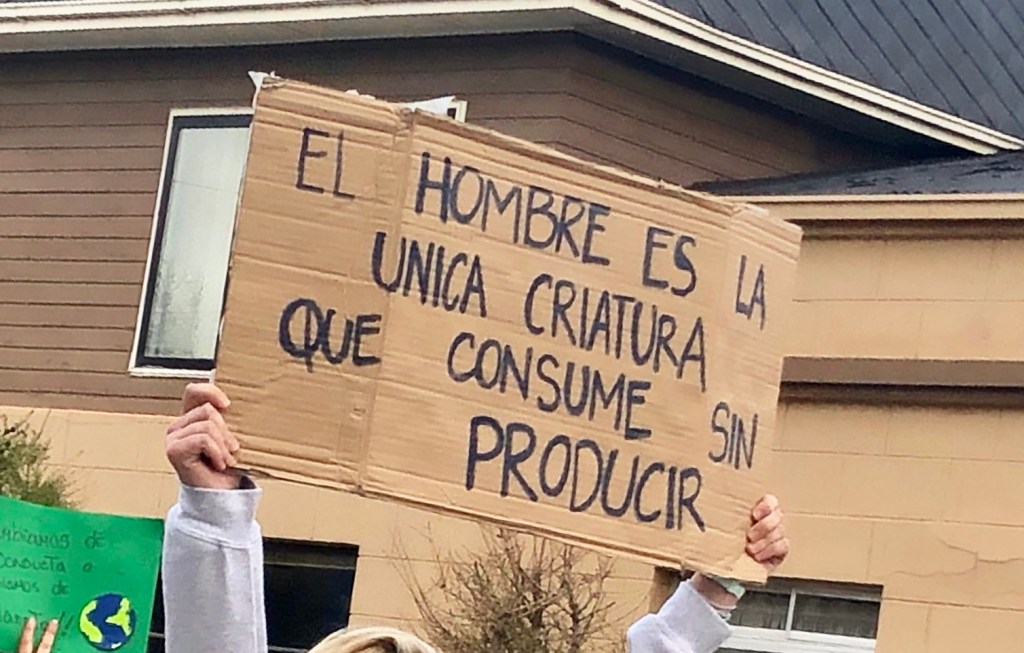
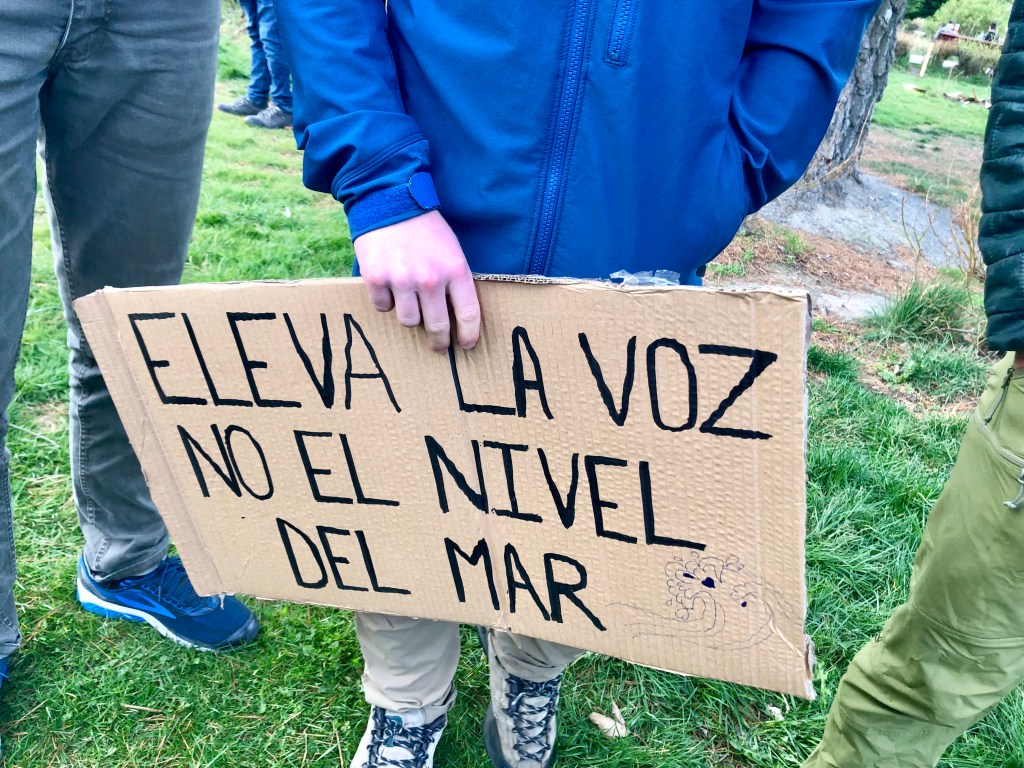
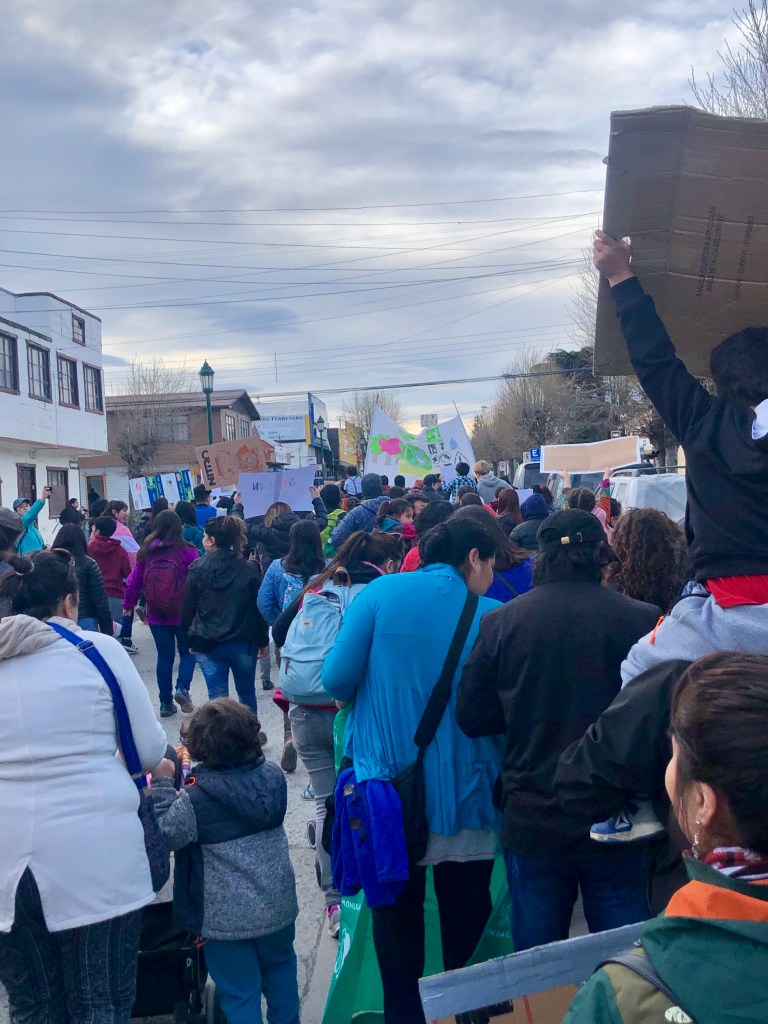
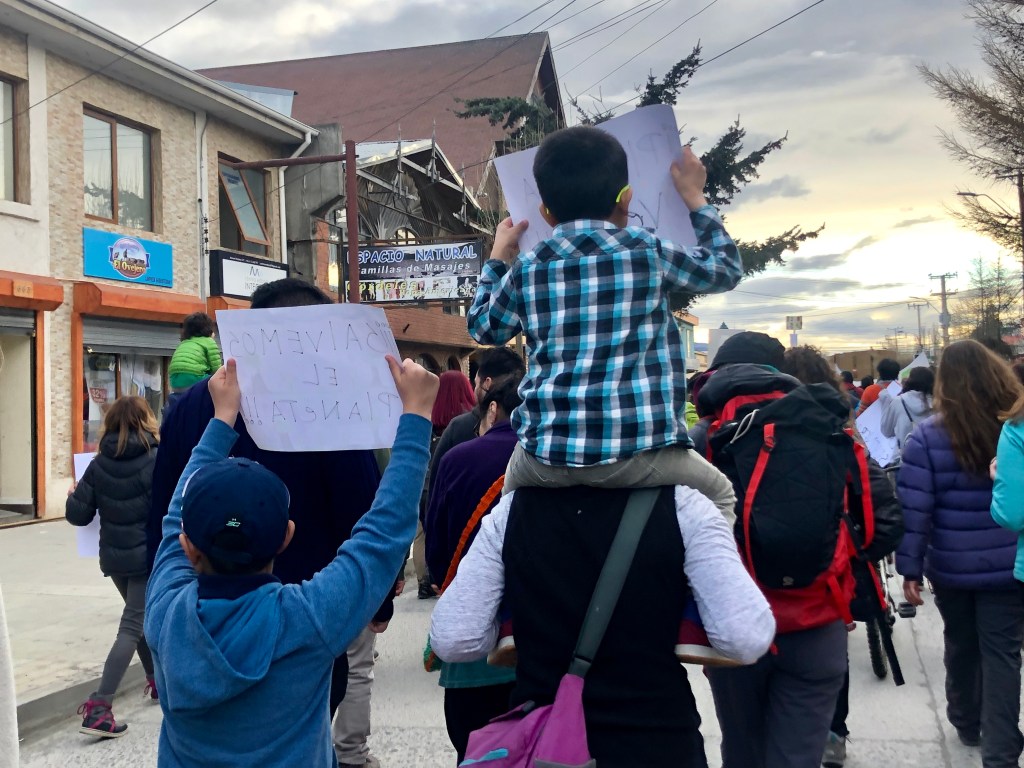
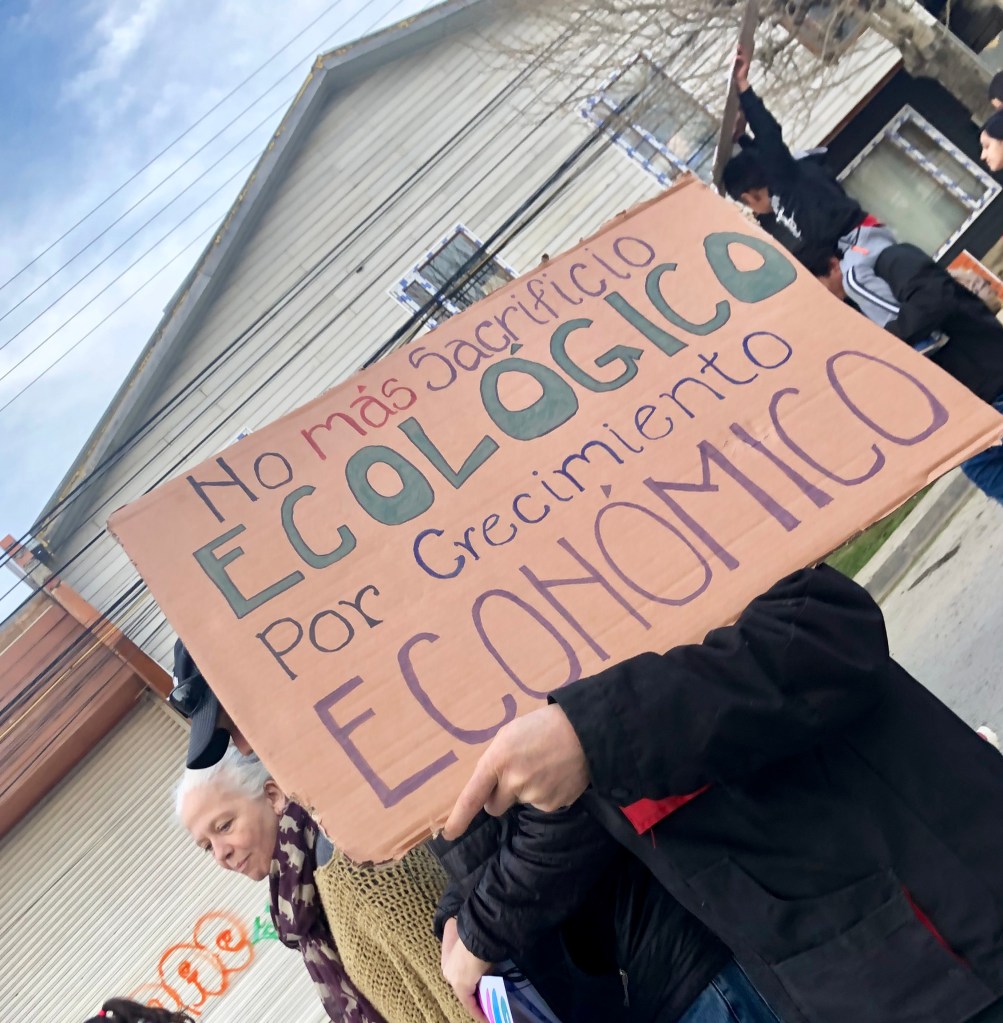
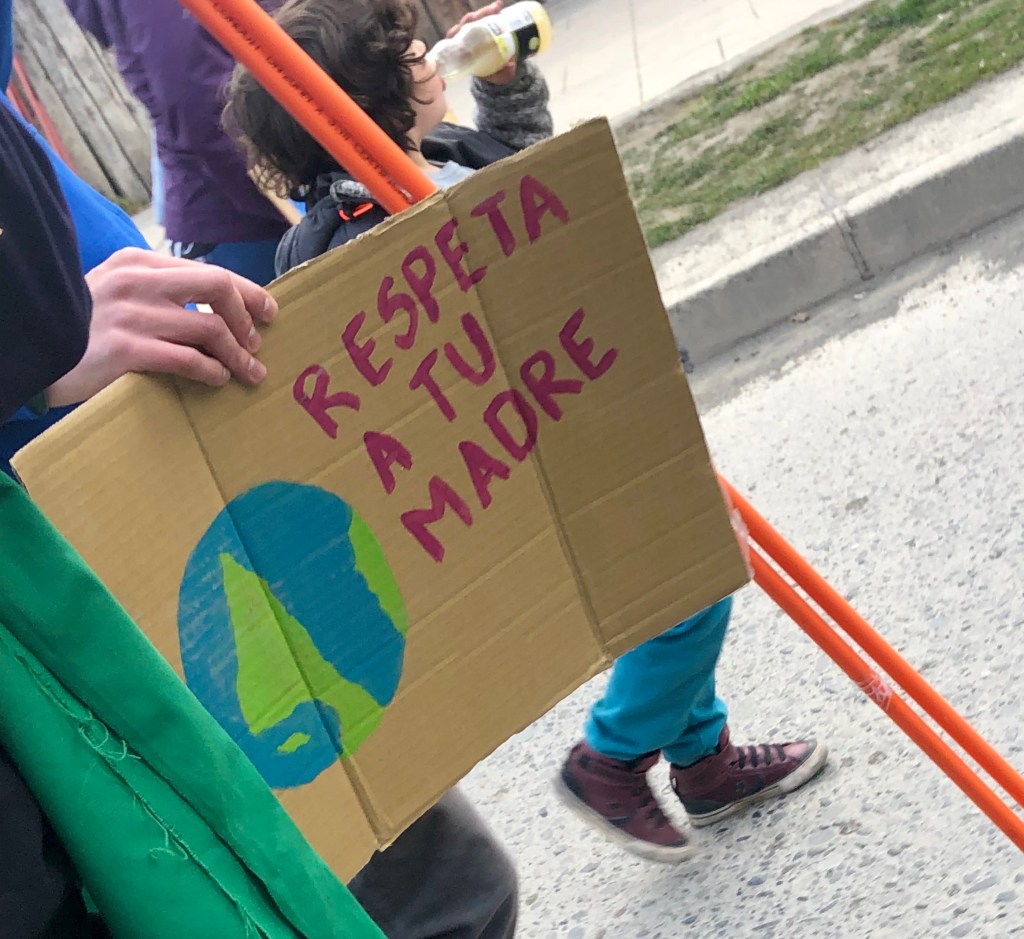
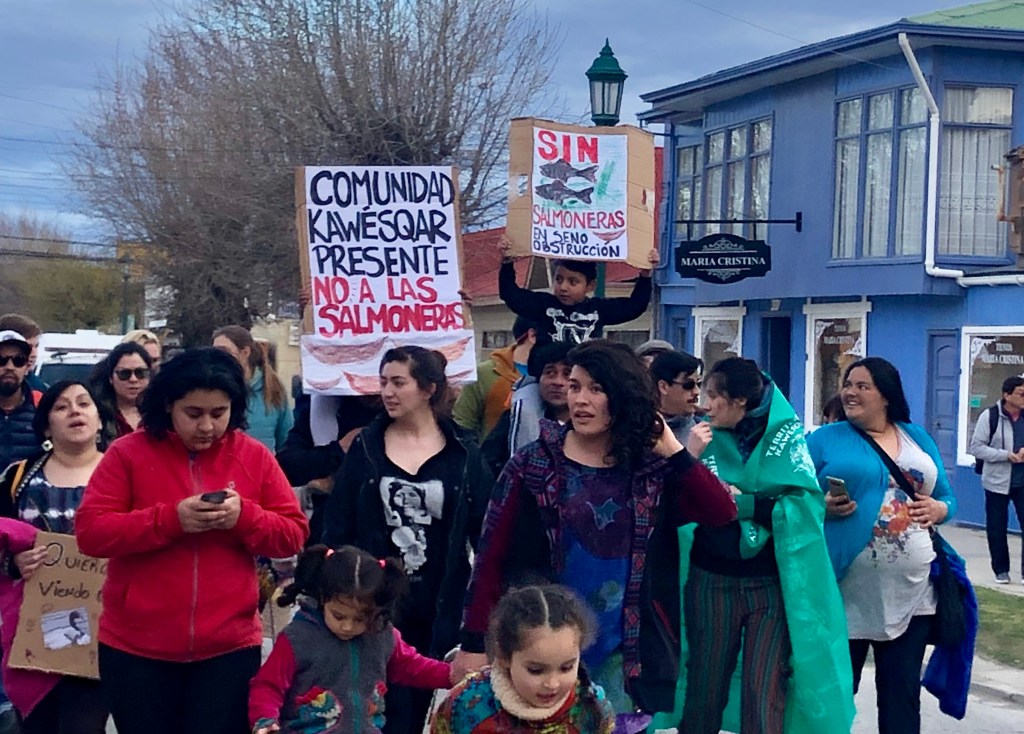
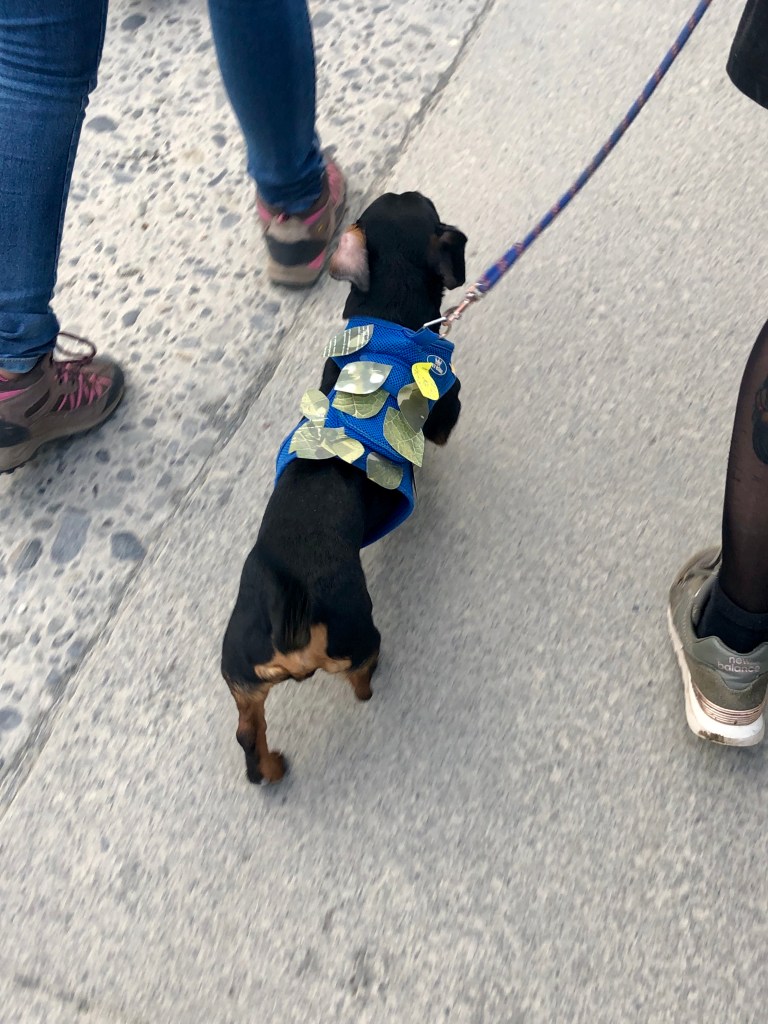
What I wanted to mainly focus on for this week’s blog post are the climate strikes that are happening just about anywhere you look. I was originally a little disappointed that I wouldn’t be able to participate in them back in the States, but that was only until I was lucky enough to be a part of a march here in Puerto Natales. The outcome was heartwarming. Instead of becoming political, the event was more family and friend-oriented, with parents walking with their young children and dogs wearing pro-environment-inspired t-shirts. I wanted to highlight the importance of these climate marches, not only here in Puerto Natales, but all around the world. For it to just start with one girl, Greta Thunberg in Sweden, to then ripple across all corners of the globe where 150 countries have participated, really emphasizes the power we have as humans to make a difference. However, only participating in marches will not be enough. We must practice what we preach and not just “try our best,” but make the conscious effortto change our lifestyles for the betterment of this planet and for those that will occupy it long after we are gone. While my friends in New York and Washington D.C. walked for the climate, so did I 6,400 miles south in Patagonia, and that truly means something. I hope after reading this you will all do your research on the climate strikes, as well as look into what you can do to start mitigating global warming and reflect on the power you all have to start making a difference. It’s already too late, and time is running out.
Wilderness: What the Hell is it?
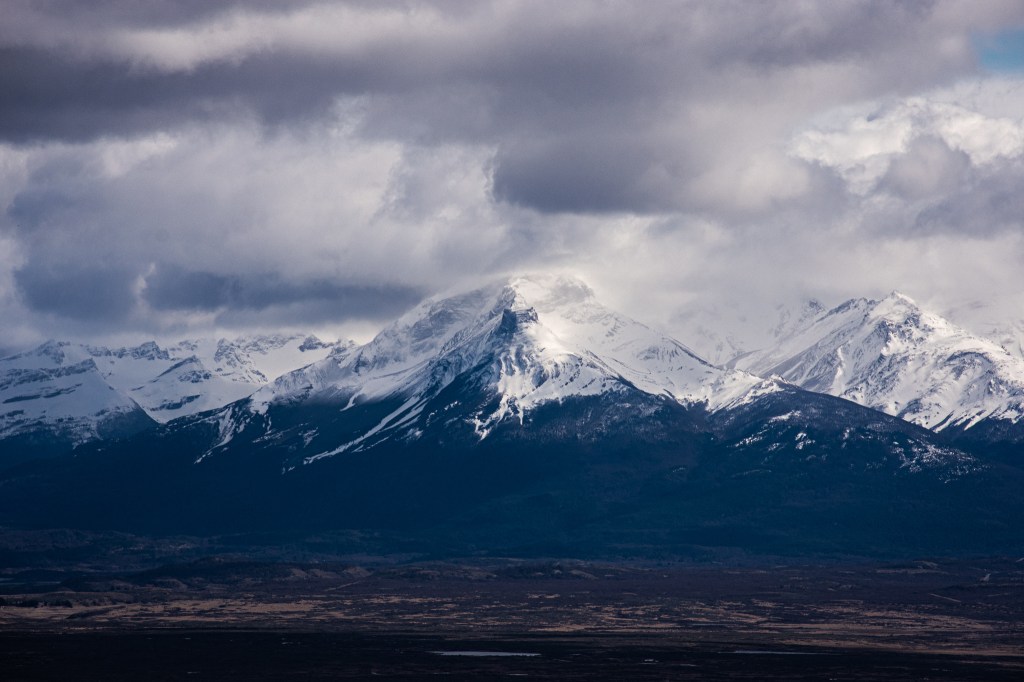
Before you read further, I want you to ask yourself what the word “wilderness” means to you. What are your standards on what makes a place wilderness? Do we live amongst it? We’ll revisit this later.
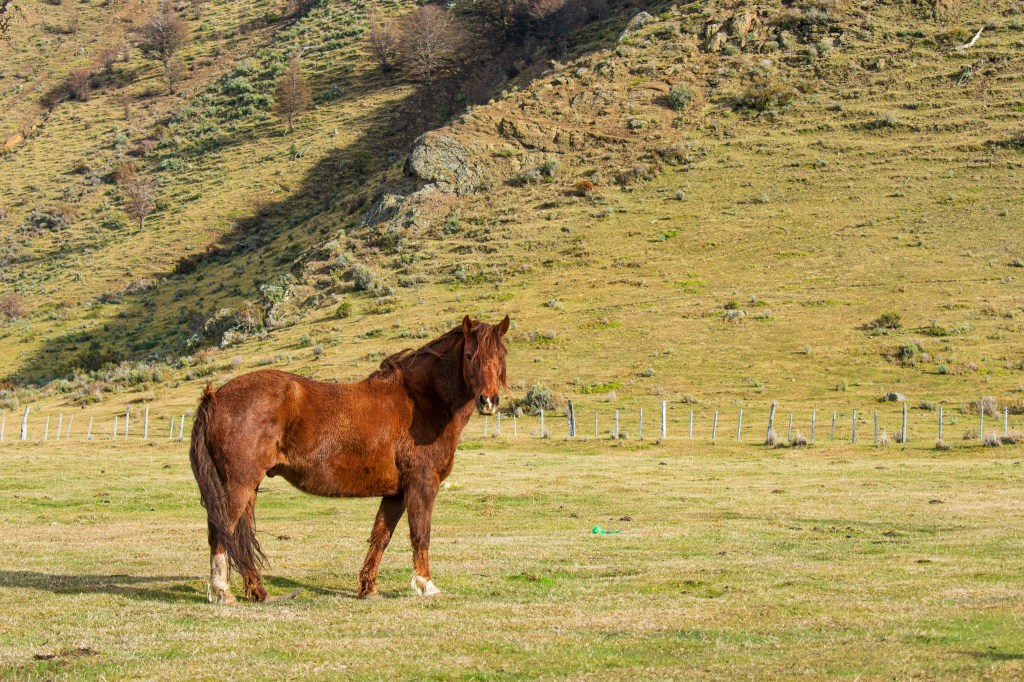
Earlier this week the group went on our first field expedition (affectionately called “FEX’s”)! We hiked Cerro Dorotea, a trail a little distance away from downtown Puerto Natales. While there, we had to observe any geologic and ecologic processes that we noticed and then record everything in our field notebooks. Some of the things I noticed were alluvial fans, upward erosion, landslide scars, parasitism, and vast distributions of lichen and mosses. As we gradually ascended into higher elevation, the winds proceeded to holler and howl and it even started to sleet a little. Once at the top, we were greeted by a gorgeous view of all of Puerto Natales, open farm and grassland, and the mountains nestled further in the distance. Oh, and a rainbow 🙂
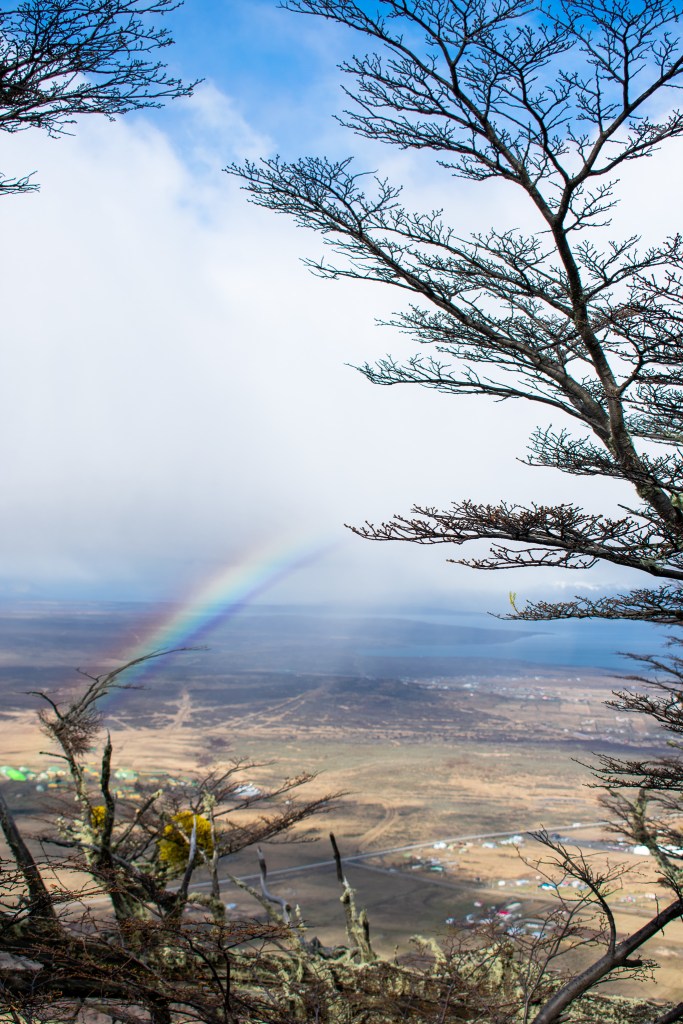
While taking a lunch break, we were asked to recall what we thought about one of the articles that we read for class, “The Trouble with Wilderness,” by William Cronon, and then think whether where we were would be considered wilderness.
In his article, Cronon argues that preserving wilderness is a fundamental task towards the success of the environmental movement in the United States. He also says that nowadays, the concept of wilderness has become a cultural creation that Americans have glorified as places that are supposed to be untouched and uncultivated. He makes compelling points that wilderness, by our standards, is now used as a mechanism for people to temporarily escape their everyday lives from the city and suburbs to fulfill their fantasy of the American frontier.
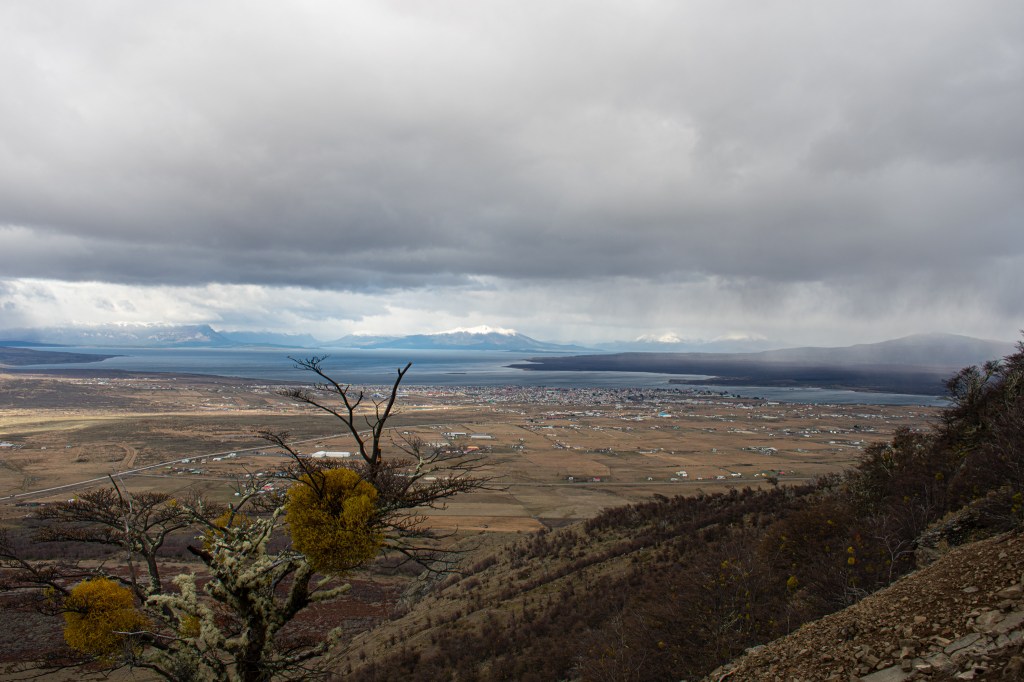
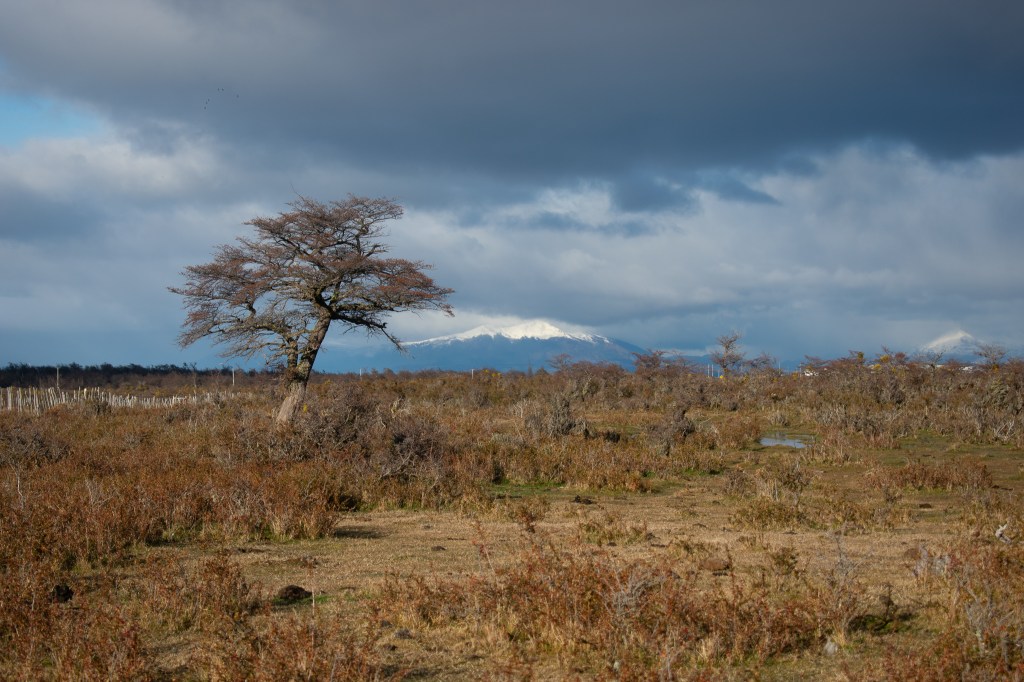
There is a sense of elitism and privilege that is associated with the concept of wilderness that Cronin criticizes. He says that the type of people that can experience the glorified wilderness are primarily white Americans that have the finances to afford things like plane tickets, camping supplies and all the other extra items that go into certain outdoor activities (backpacking, mountain biking, rock and ice climbing, mountaineering, etc.). These are also people that can take periods of time off to enjoy these experiences. Even though I found this article to be extremely interesting, there were also moments throughout that made me feel either a little guilty or on the defense since I felt like I fit the mold of who he was describing.
Due to this mindset, people no longer believe that they can live amongst the wilderness. They think that it is only a place you leave the comfort of your own home to visit, but you never stay. Why can’t the garden in your backyard be wilderness? Or the community park next to your neighborhood? Just because they may not be places with magnificent mountains miles away from the closest town does not mean they cannot be considered wilderness. Cronin said that for there to be more involvement and support in the environmental movement, we must change the definition of wilderness. I can personally say that this article made me contradict my views of wilderness quite a bit. “Wilderness” is not just dramatic landscapes and perceived pureness.
Instead, we must develop a balance between nature and urbanized areas, allowing a sense of unity between the two so that we can appreciate the flowers in our garden and that one tree on the dense city block just as much as the soaring peaks in Rocky Mountain or the waterfalls in Yosemite.
If you have not read “The Trouble with Wilderness” yet, please do!
 Abroad Patagonia.