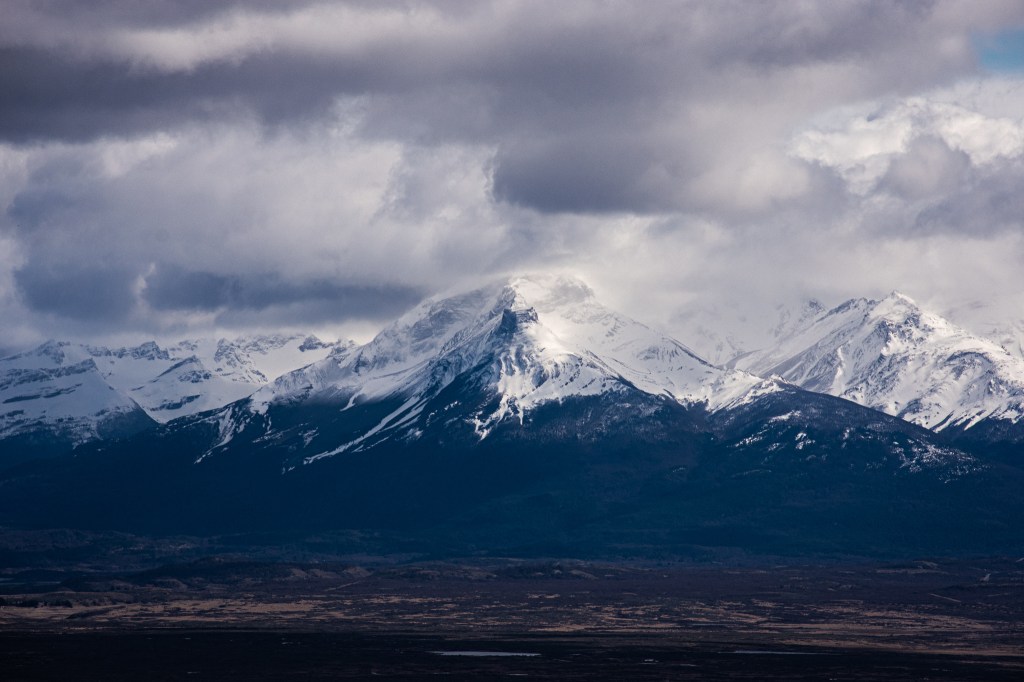
Before you read further, I want you to ask yourself what the word “wilderness” means to you. What are your standards on what makes a place wilderness? Do we live amongst it? We’ll revisit this later.
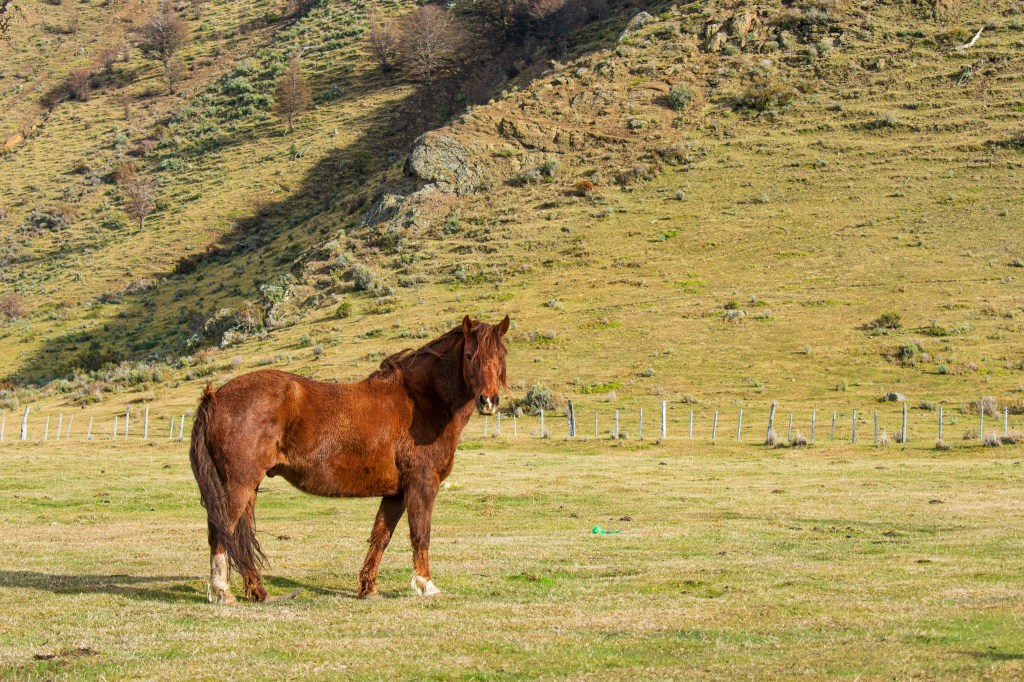
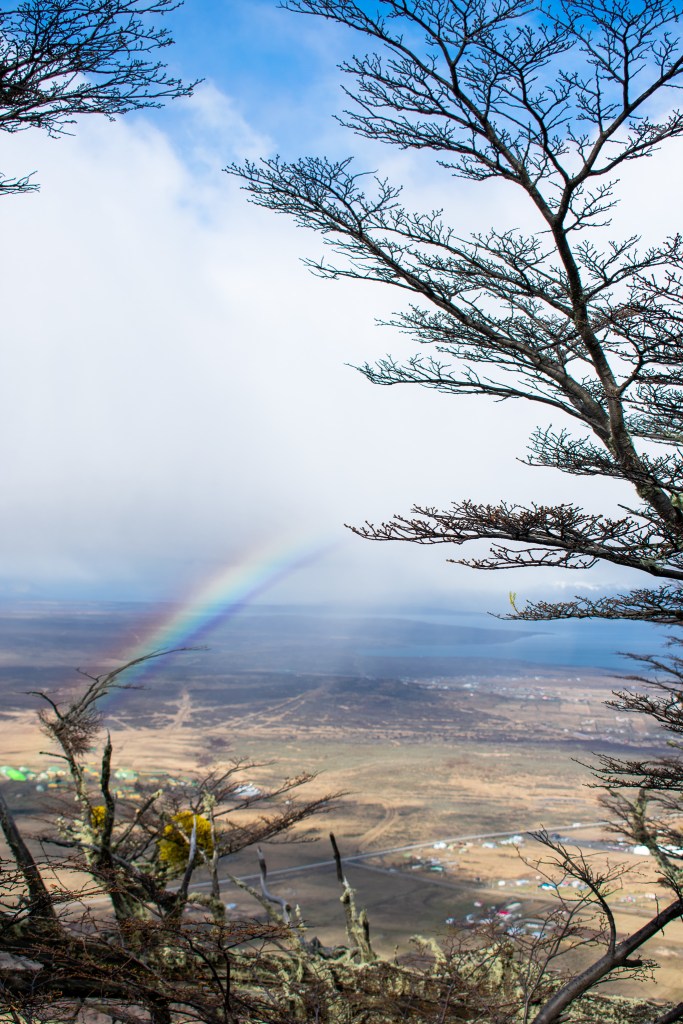
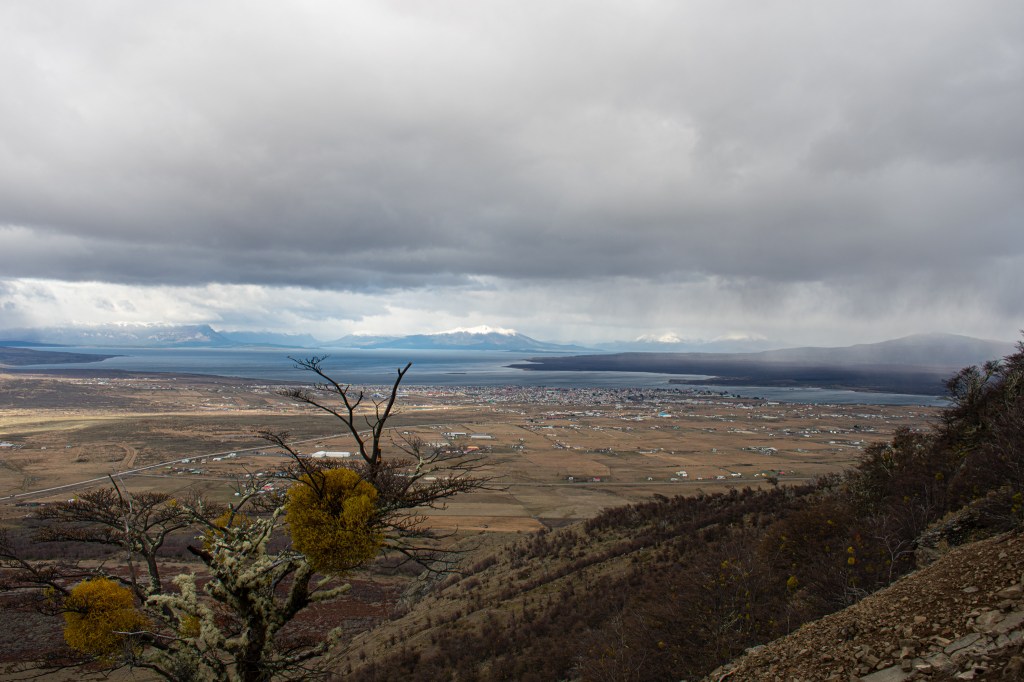
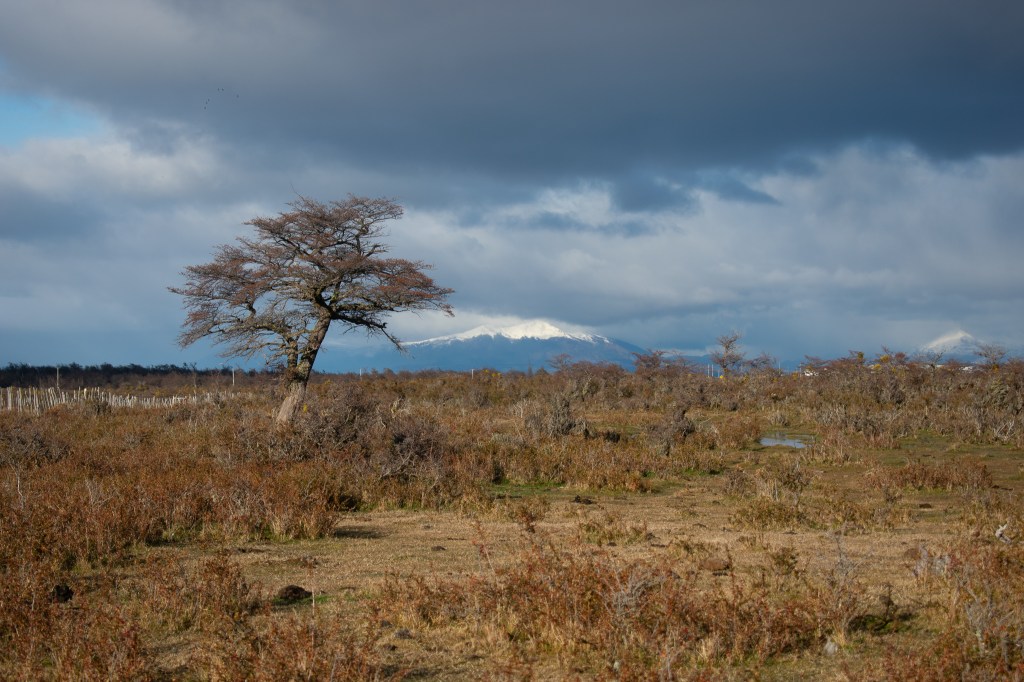
Earlier this week the group went on our first field expedition (affectionately called “FEX’s”)! We hiked Cerro Dorotea, a trail a little distance away from downtown Puerto Natales. While there, we had to observe any geologic and ecologic processes that we noticed and then record everything in our field notebooks. Some of the things I noticed were alluvial fans, upward erosion, landslide scars, parasitism, and vast distributions of lichen and mosses. As we gradually ascended into higher elevation, the winds proceeded to holler and howl and it even started to sleet a little. Once at the top, we were greeted by a gorgeous view of all of Puerto Natales, open farm and grassland, and the mountains nestled further in the distance. Oh, and a rainbow 🙂
While taking a lunch break, we were asked to recall what we thought about one of the articles that we read for class, “The Trouble with Wilderness,” by William Cronon, and then think whether where we were would be considered wilderness.
In his article, Cronon argues that preserving wilderness is a fundamental task towards the success of the environmental movement in the United States. He also says that nowadays, the concept of wilderness has become a cultural creation that Americans have glorified as places that are supposed to be untouched and uncultivated. He makes compelling points that wilderness, by our standards, is now used as a mechanism for people to temporarily escape their everyday lives from the city and suburbs to fulfill their fantasy of the American frontier.
There is a sense of elitism and privilege that is associated with the concept of wilderness that Cronin criticizes. He says that the type of people that can experience the glorified wilderness are primarily white Americans that have the finances to afford things like plane tickets, camping supplies and all the other extra items that go into certain outdoor activities (backpacking, mountain biking, rock and ice climbing, mountaineering, etc.). These are also people that can take periods of time off to enjoy these experiences. Even though I found this article to be extremely interesting, there were also moments throughout that made me feel either a little guilty or on the defense since I felt like I fit the mold of who he was describing.
Due to this mindset, people no longer believe that they can live amongst the wilderness. They think that it is only a place you leave the comfort of your own home to visit, but you never stay. Why can’t the garden in your backyard be wilderness? Or the community park next to your neighborhood? Just because they may not be places with magnificent mountains miles away from the closest town does not mean they cannot be considered wilderness. Cronin said that for there to be more involvement and support in the environmental movement, we must change the definition of wilderness. I can personally say that this article made me contradict my views of wilderness quite a bit. “Wilderness” is not just dramatic landscapes and perceived pureness.
Instead, we must develop a balance between nature and urbanized areas, allowing a sense of unity between the two so that we can appreciate the flowers in our garden and that one tree on the dense city block just as much as the soaring peaks in Rocky Mountain or the waterfalls in Yosemite.
If you have not read “The Trouble with Wilderness” yet, please do!
 Abroad Patagonia.