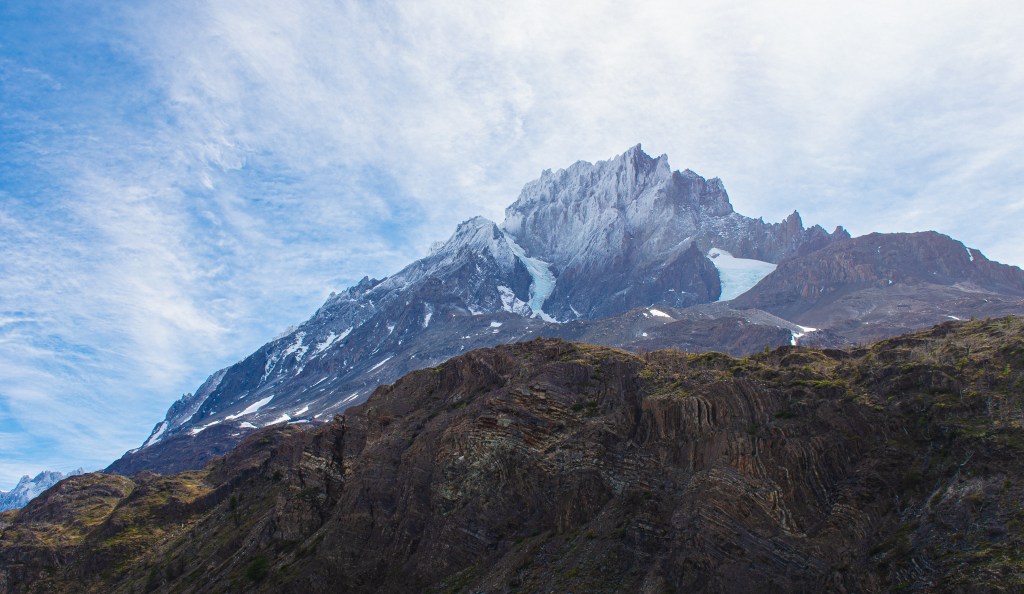
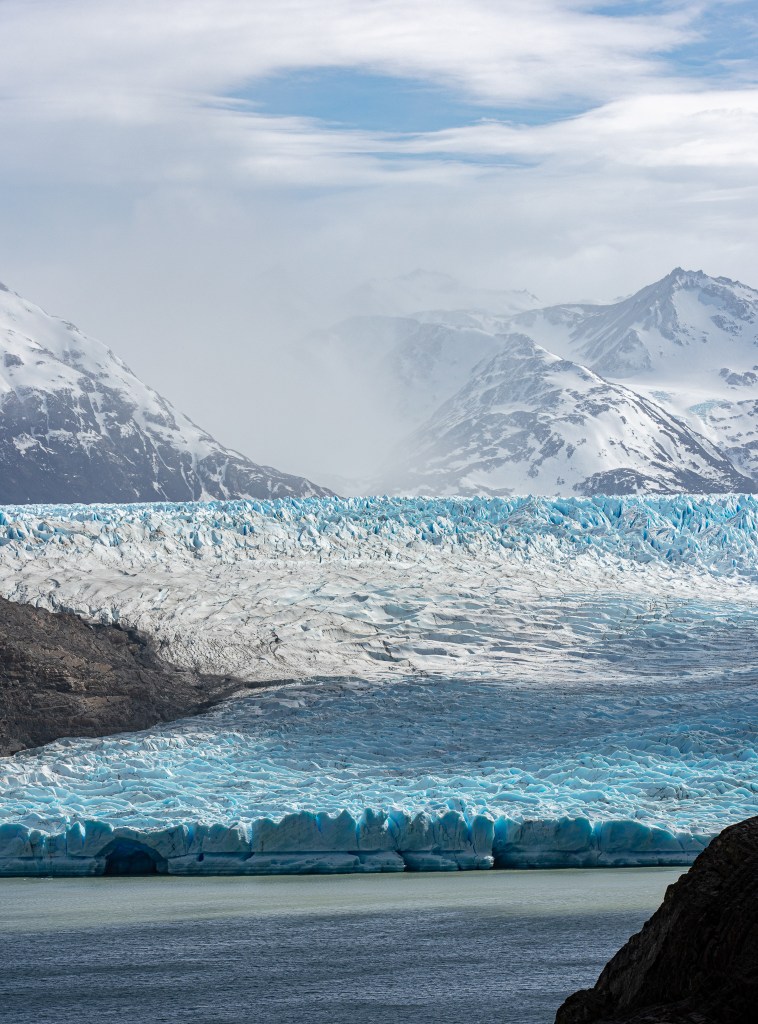
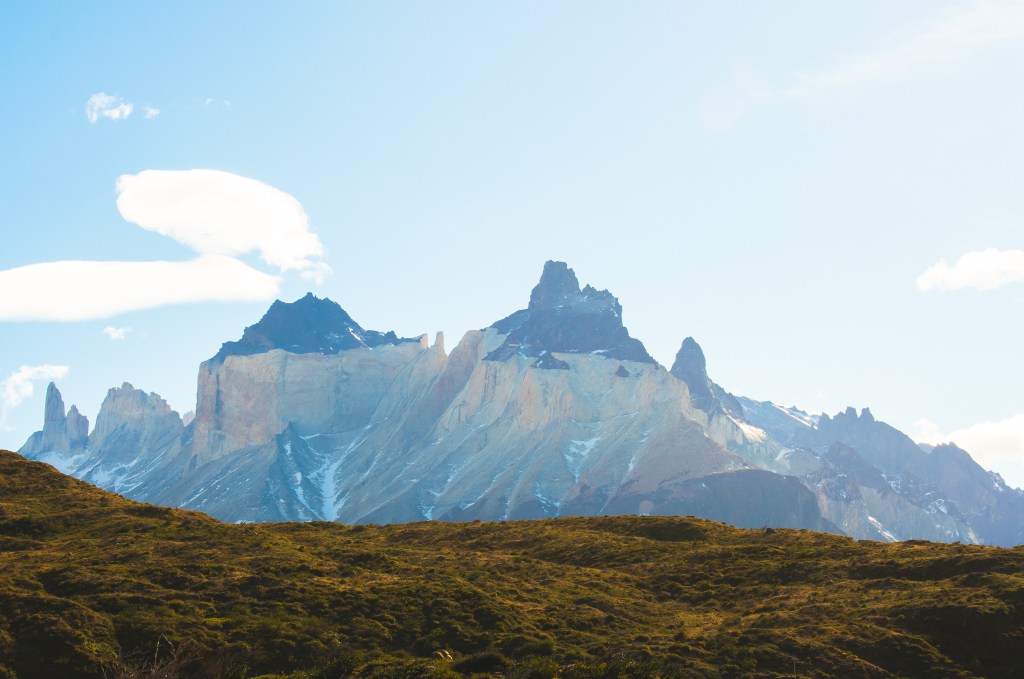
New week new blog! We just returned from Torres del Paine National Park, which was both incredibly fun and exhausting. My group arrived Monday afternoon and did not return to Puerto Natales until late Thursday night. Our days consisted of hikes throughout the park that ranged between 12 and 15 K to different ‘refugios,’ which are similar to hostels as opposed to camping. On these hikes, we had to pay special attention to what we’ve been learning about in the classroom, which was different glacial landforms, geologic processes, and the way the land there is now recovering from a major (human-caused) forest fire in 2015 that burned enormous swaths of the protected park. We also learned about the ecological implications of Glacier Grey, the enormous glacier that is on the western side of Torres del Paine.
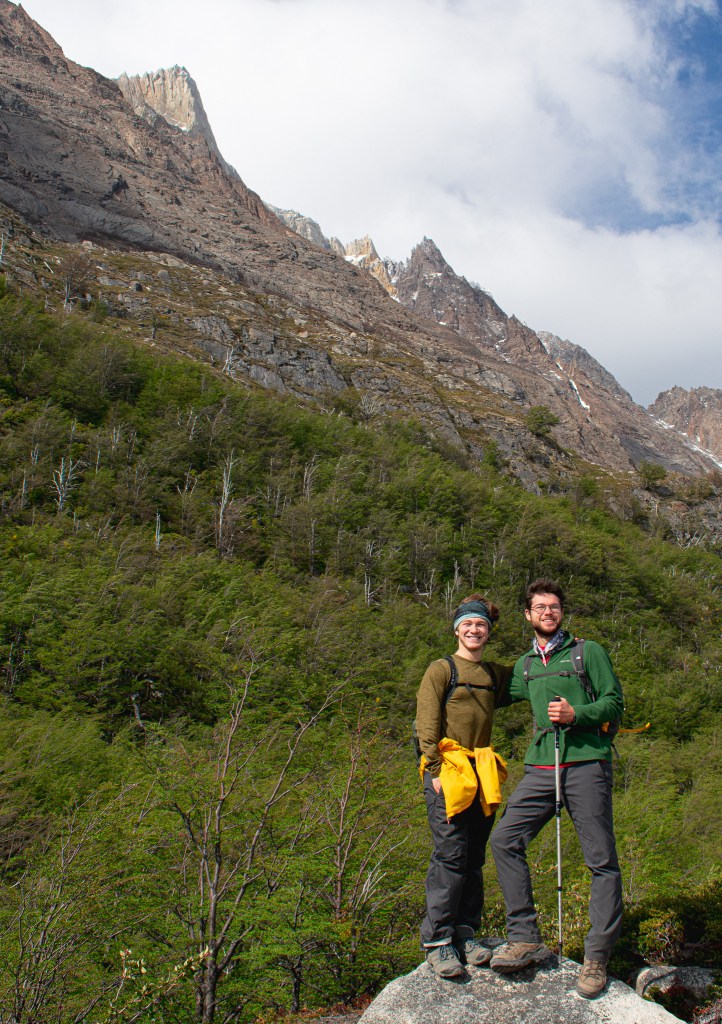
While at the refugios, we were given an additional assignment to analyze how these structures throughout the park are contributing to sustainable practices and ecotourism since they are fairly remote but receive thousands of hikers and backpackers during the year. My group had the chance to interview some kayaking guides that live full-time in the park while they are working. They told us how they can store water directly from Lago Grey to use for their cooking, cleaning, and everything else that isn’t consumption. For drinking water, they take a boat out every day to one of the waterfalls near the glacier and collect the freshwater in large jugs. On the other hand, they wished they could be better equipped with materials to compost their food waste as well as transition to using solar power at their site.
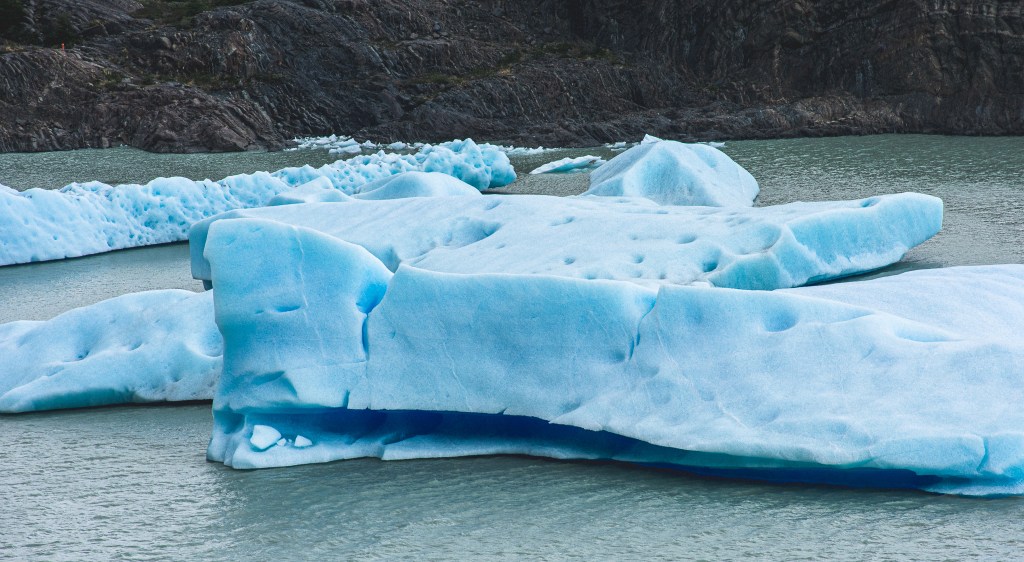
Some of the sustainable practices at the refugios included eco-friendly toilets, controlled heat throughout the buildings, and sinks that run on a timer. These types of sustainable practices in the park made me think about the way tourists may overlook their environmental impacts when visiting protected places like Torres del Paine. While on the trails I still noticed things like wrappers and trash, as well as a large amount of waste being generated at the refugios from the use of plastics like cups, jam containers, and other items during meals. It made me extra conscious of my own waste and how I may be able to reduce it.
Now that we are back in Puerto Natales, it’s all about time management. Even though we returned from our trip on Thursday, we leave again tomorrow for El Calafate in Argentina, followed by our mid-semester break where I’ll be traveling to El Chaltén and back to Torres del Paine! Between now and when we leave my fellow students and I are working hard on assignments and midterms so that we can go into the next two weeks as stress-free as possible. Wish us luck!
 Abroad Patagonia.